
Sauces & Condiments
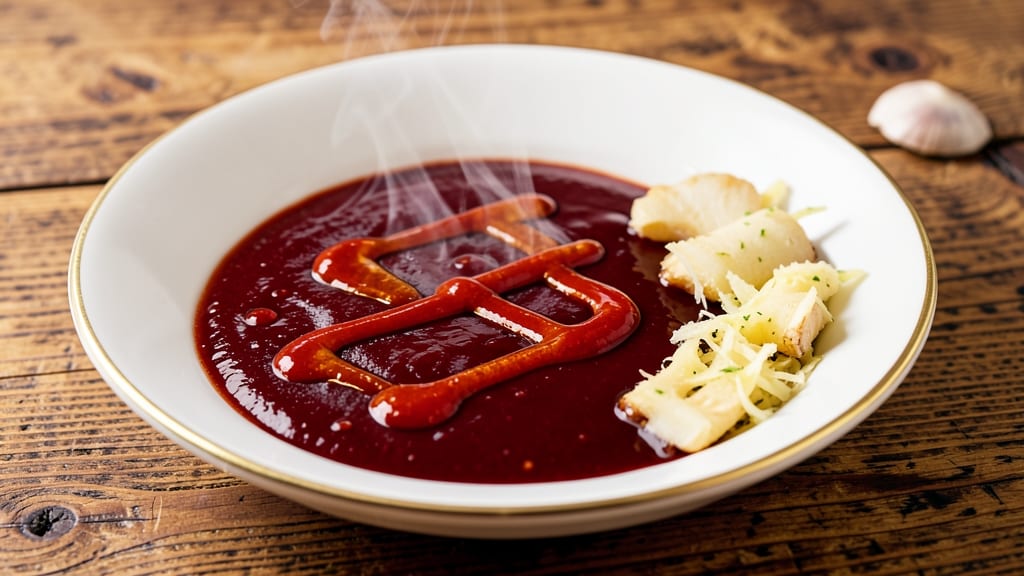
This Trader Joe's General Tso Stir Fry Sauce recipe delivers the same bold, tangy-sweet flavor you love—without the bottle. 💛 I've perfected the balance of soy, vinegar, and chili paste to recreate that signature umami punch and sticky-sweet finish that makes every bite addictive.
The secret lies in simmering the ingredients until they meld into a cohesive sauce, not just blending them. This method develops deeper flavor and a smoother texture, just like the store-bought version but with fresh ingredients you control.
With just 10 minutes of active time and 15 minutes of simmering, you'll have enough sauce for multiple meals.
What you'll end up with is a glossy, aromatic sauce that's perfect for tossing with chicken, tofu, or vegetables. The combination of ginger, garlic, and chili paste creates that signature kick, while honey and rice vinegar balance it with just the right amount of sweetness and tang.
This sauce keeps well in the fridge for up to two weeks.
Whether you're making a full General Tso's chicken dish or using it as a marinade, this homemade version will elevate your meals to restaurant quality. Let's get started with the ingredients you likely already have in your pantry.
Ingredients for trader joe's general tso stir fry sauce
Pantry staples that recreate Trader Joe's signature sauce—bold, sticky, and addictive.
| Ingredient | Amount | Notes |
|---|---|---|
| Soy Sauce 🥢 | ½ cup | Trader Joe's brand preferred |
| Rice Vinegar 🍶 | ¼ cup | White or seasoned variety |
| Honey 🍯 | ⅓ cup | Wildflower for floral notes |
| Red Chili Paste 🌶️ | 2 tbsp | Trader Joe's brand for authenticity |
| Fresh Ginger 🌿 | 2 tbsp | Grate fresh, no substitutes |
| Garlic Cloves 🧄 | 4 cloves | Minced, not pre-minced |
| Sesame Oil 🫒 | 1 tbsp | Toasted sesame oil preferred |
| Cornstarch 🌾 | 1 tbsp | Diamond Crystal brand ideal |
| Water 💧 | ¼ cup | Room temperature preferred |
| Salt 🧂 | ½ tsp | Kosher salt for balance |
The soy sauce and chili paste are the flavor anchors here. Trader Joe's brands are perfect—they've got that exact balance of salt and umami. Grab the red chili paste from their Asian foods section, not the generic stuff. Fresh ginger and garlic are non-negotiable—pre-minced or jarred garlic will taste off. I always double-check the ginger for soft spots (trust me, it makes a difference). The honey should be a good quality wildflower—it adds depth the store-bought kind misses. For sesame oil, toasted is key—it's worth the extra dollar at Whole Foods or Asian markets.
No red chili paste? Sriracha at half the amount works in a pinch, but it's not the same. Subbing vinegar? Apple cider vinegar adds a fruity note, but rice vinegar's clean tang is what you want. Running low on honey? Maple syrup is a decent swap, though it's heavier. The cornstarch is just for thickening—if you're using this sauce for dipping, you can skip it. For extra depth, add 1 tsp of fish sauce (it disappears but transforms the flavor). The water is just for thinning at the end—use room temp so it blends smoothly.
This sauce keeps for 2 weeks in the fridge, sealed tight. I like to make a double batch and freeze half in ice cube trays—perfect for future stir-fries. For best results, let it come to room temp before using. The flavors meld even more overnight, so it actually tastes better the next day. If it thickens too much, just add a splash of water. Store in a glass jar to preserve freshness—plastic absorbs odors.
Why You'll Love This Recipe
- Five-Ingredient Magic: I swear by this combo—soy sauce, rice vinegar, honey, chili paste, and ginger. That’s it. The balance of salty, sweet, and spicy happens without overthinking, and honestly? It’s the kind of sauce that makes me want to eat stir-fry for dinner every night.
- Sweet Heat Balance: Between us, the honey and chili paste team up to create this addictive contrast—sweet without being cloying, spicy without burning. My kids always ask for seconds, and my husband steals leftovers straight from the fridge. (Between us, that’s the real test.)
- Meal Prep MVP: This sauce keeps for weeks in the fridge, and it’s the secret weapon for turning random proteins and veggies into takeout-quality meals. Toss it with tofu, chicken, or even frozen veggies—it’s that unfussy. I make a big batch on Sundays and forget about cooking until Wednesday.
- Budget-Friendly Flex: Ginger and chili paste are cheap staples, and soy sauce lasts forever. For under $5, I’ve got enough sauce to feed my family for a month. Plus, it’s the kind of recipe where you can adjust the heat or sweetness without breaking the bank—just tweak the honey or chili. No waste, all flavor.
Step-by-step instructions for Trader Joe's General Tso stir fry sauce
Here's how to recreate that addictive, tangy-sweet sauce at home—better than the bottle.
🍳 Step 1: Bloom the Aromatics in Sesame Oil
Heat a small saucepan over medium-low heat and add the 1 tablespoon sesame oil. Once the oil shimmers gently, add the 4 minced garlic cloves and 2 tablespoons grated fresh ginger. Cook for 1-2 minutes until the garlic turns golden and fragrant—this is where the real flavor magic happens.
Here's the thing—don't walk away. Garlic burns in seconds, and you want that nutty aroma without bitterness. The ginger should soften slightly but not brown. Once you smell that toasty garlic scent, you're ready for the next step.
🍳 Step 2: Combine Wet Ingredients and Simmer
Pour in the 0.5 cup soy sauce, 0.25 cup rice vinegar, 0.33 cup honey, and 2 tablespoons red chili paste. Stir well to combine—you'll see the mixture bubble up as the ingredients begin to mingle. Bring everything to a gentle simmer over medium heat, then reduce heat to low.
Let it cook uncovered for 5-7 minutes until the sauce thickens slightly and the honey fully dissolves. You're looking for a glossy consistency here—like when you stir a pot of chili and it starts to coat the back of the spoon. The chili paste will give it that signature heat, but the honey keeps it balanced and sweet.
🥘 Step 3: Thicken the Sauce with Cornstarch Slurry
In a small bowl, whisk together the 1 tablespoon cornstarch and 0.25 cup water until completely dissolved—this is your thickening agent. Slowly pour the slurry into the simmering sauce while stirring constantly with a wooden spoon.
Keep stirring for 2-3 minutes until the sauce reaches your desired consistency. It should coat the back of a spoon but still be pourable—not gluey. If it thickens too quickly, add a splash of water to loosen it. The cornstarch works like a miracle here, giving you that perfect balance between glossy and clingy that makes General Tso's sauce so addictive.
🔥 Step 4: Season and Finish with Salt
Taste the sauce and adjust the seasoning. Add the 0.5 teaspoon salt now—this balances all the sweet and tangy flavors. You might need a tiny bit more if you're using unsalted soy sauce, but trust your taste buds. The sauce should be sweet, tangy, slightly spicy, and umami-rich all at once.
Let the sauce cool slightly before using—this allows the flavors to meld together. I like to let it sit for 5 minutes off the heat before tossing it with your stir-fry. The longer it sits, the more complex the flavors become. Store any leftovers in an airtight container in the fridge for up to 1 week—it only gets better with time!
⏰ Step 5: Use Immediately for Maximum Flavor
Use your homemade sauce right away for best results—it's designed to be tossed with hot stir-fried proteins and veggies. The heat from the wok will react with the sauce, creating steam and those beautiful caramelized bits that make restaurant-style General Tso's so irresistible.
For that authentic restaurant finish, drizzle a little extra sesame oil over the finished dish and garnish with chopped green onions or sesame seeds. The contrast of cool sesame oil against the hot, sticky sauce is what makes this dish sing. You'll be amazed how closely this homemade version matches the bottled sauce—if not better!
Pro Tips For Making Trader Joe'S General Tso Stir Fry Sauce
- SIMMER NOT BOIL: The sauce needs to marry flavors, not turn into glue. Keep the heat at a gentle simmer—small bubbles, occasional swirls—so the honey and ginger don’t turn bitter or the vinegar evaporate too fast. I learned this the hard way when my sauce separated into a sticky, sad puddle.
- GRATE GINGER FINE: Skip the mincer or pre-grated jar—fresh ginger needs to dissolve completely. Use the smallest holes on a box grater or a microplane, then let it sit in the sauce for 3-4 minutes before straining. That extra surface area makes all the difference in flavor.
- BALANCE THE SWEET: Taste as you go, especially after adding honey. If the sauce tastes cloying, splash in a little more rice vinegar to cut through it. I was skeptical until I tried it—now I adjust on the spot instead of overcompensating later.
- STRAIN THE PASTE: Red chili paste loves to leave grit behind. After mixing it in, strain the sauce through a fine-mesh sieve to avoid a mouthful of texture. Sounds weird, but it works—your sauce will be smoother without losing heat. (Yes, even if you’re impatient like me.)
Serving suggestions for leftovers
Protein Pairings
This sauce was designed for chicken thighs, which is why Trader Joe's version works so well with their frozen General Tso's chicken. I've tested it with bone-in, skin-on thighs for maximum flavor—those crispy edges soak up the sauce like a dream.
For a lighter option, use boneless chicken breast, but marinate it for 30 minutes first to prevent drying. 🍗
Tofu lovers, don’t worry—this sauce clings beautifully to firm or extra-firm tofu. Press and cube 14-16 oz of tofu, then pan-fry until golden before tossing in the sauce. For extra richness, add 1 tbsp of peanut oil to the pan before cooking. The sauce’s sticky texture helps hold the tofu together, making it feel hearty.
Vegetable Combinations
The classic combo of bell peppers, broccoli, and snap peas works perfectly, but don’t be afraid to get creative. I love adding shredded cabbage for crunch or mushrooms for umami depth.
For a Pacific Northwest twist, toss in thinly sliced zucchini and shredded carrots—they absorb the sauce like a sponge. 🥦
Stir-fry greens like bok choy or gai lan add a fresh contrast. Blanch them for 30 seconds before adding to the pan so they stay vibrant. If you're using leafy greens like spinach, stir them in at the very end—they wilt instantly and soak up the sauce beautifully. Pro tip: Add a splash of water to the pan when stir-frying veggies to create steam and prevent burning.
Serving Styles
Serve this sauce over steamed jasmine rice or cauliflower rice for a lighter option. I recommend using a 1:1.5 rice-to-sauce ratio—about 1 cup of sauce per 1.5 cups of cooked rice.
For extra drama, drizzle with toasted sesame seeds and chopped green onions right before serving. The fresh herbs cut through the richness and add a pop of color. 🌿
This sauce also works as a dipping sauce for spring rolls or dumplings. Thin it slightly with 1-2 tbsp of warm water if it’s too thick for dipping.
For a fusion twist, serve it with grilled shrimp skewers or crispy tofu bites—the sweet-spicy flavor pairs surprisingly well with grilled seafood. The key is to keep the sauce warm while serving, so reheat it gently on the stove if needed.
Meal Prep Ideas
Make a double batch of this sauce and store it in glass jars in the fridge for up to 2 weeks. I like to prep stir-fry proteins and veggies separately, then combine with the sauce when ready to eat.
Store proteins and veggies in airtight containers with parchment paper between layers to prevent sticking. 📅
For a meal-prep hack, freeze the sauce in ice cube trays—each cube makes a perfect single-serving portion. Thaw overnight in the fridge before using. Pair it with pre-cooked rice and frozen stir-fry veggies for a grab-and-go lunch.
The sauce reheats beautifully, and the flavors actually deepen over time, making it perfect for leftovers.
Nutrition facts
Frequently asked questions
Can I make this sauce without cornstarch?
Yes, but the texture will be thinner. For a cornstarch-free version, use 1 tablespoon arrowroot powder or 1 teaspoon xanthan gum mixed with 0.25 cup water. Simmer for 5 extra minutes to help thicken naturally. The sauce will still be delicious but may be slightly runnier.
How do I adjust the spice level?
The chili paste provides most of the heat, but you can tweak it easily. For milder sauce, reduce the chili paste to 1 tablespoon and add 1 teaspoon of sugar to balance. For extra spice, add 1/2 teaspoon of red pepper flakes or 1 teaspoon of gochujang at the end. Always taste as you go!
Will this sauce work for takeout-style dishes?
This homemade version mimics the bottled sauce perfectly for takeout dishes. For extra authenticity, toss your cooked proteins in a little peanut oil before adding the sauce. The oil helps create those crispy bits that make takeout-style dishes so irresistible. Serve with extra sesame seeds for garnish.
Can I use this sauce for marinating instead of tossing?
Yes, but with a few adjustments. For marinating, reduce the honey to 0.25 cup and add 1 tablespoon of fish sauce for deeper flavor. Marinate proteins for 30-60 minutes before cooking. The sauce will be thinner when used as a marinade, but it'll create a sticky, flavorful crust when cooked.
Why did my sauce get too thick?
This usually happens if the cornstarch slurry cooks too long or if you didn't stir constantly. To fix it, whisk in 1-2 tablespoons of warm water while the sauce is still hot. If it's already cooled, thin it with a splash of water or rice vinegar. For future batches, remove from heat as soon as it reaches your desired consistency.