
Sauces & Condiments
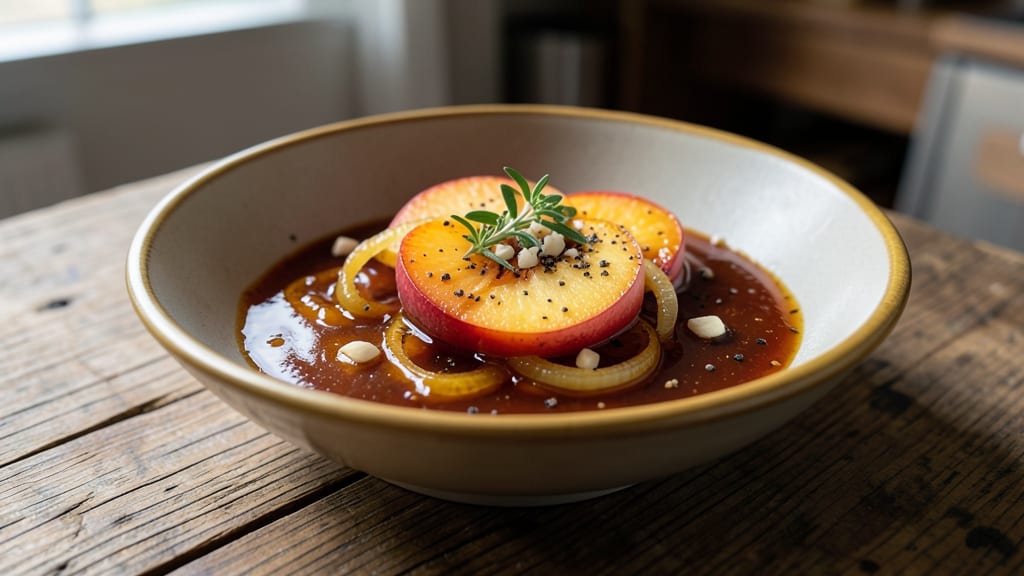
This wojapi sauce recipe transforms traditional Indigenous flavors into a modern, smoky-sweet fusion that elevates grilled meats and game to new heights. The combination of wild game fat, maple syrup, and peaches creates a rich, balanced sauce with deep cultural roots and adaptable versatility.
I developed this version after years of refining the balance between traditional techniques and contemporary tastes.
The sauce's foundation lies in slow-cooked wild game fat—often from venison or bison—which adds a distinct, earthy richness that store-bought substitutes can't replicate. Maple syrup provides natural sweetness while peaches introduce a subtle fruity depth that pairs beautifully with smoky grill flavors.
The result is a sauce that's equally at home on grilled ribs, roasted game birds, or even as a glaze for bread.
What makes this sauce truly special is its ability to bridge tradition and innovation. The smoky notes from the game fat complement the caramelized maple and peach, creating layers of flavor that linger with each bite.
It's a versatile condiment that works as a marinade, glaze, or dipping sauce, making it perfect for both casual cookouts and special occasions.
Once you try this sauce, you'll understand why it's become a staple in modern Indigenous cuisine—it's a celebration of heritage with a contemporary twist. Let's dive into the recipe and bring this fusion of flavors to your table.
Ingredients for wojapi sauce
Game fat meets maple and peach in this smoky-sweet fusion sauce that transforms grilled meats into unforgettable centerpieces.
| Ingredient | Amount | Notes |
|---|---|---|
| Wild Game Fat (Venison or Bison) 🦌 | ½ cup | Rendered and cooled, not lard substitute |
| Pure Maple Syrup 🍁 | ¾ cup | Grade A or B, dark variety preferred |
| Fresh Peaches 🍑 | 2 medium | Pitted and sliced, ripe but firm |
| Yellow Onion 🧅 | 1 whole | Diced, yellow or red variety |
| Garlic Cloves 🧄 | 4 cloves | Minced, fresh preferred |
| Apple Cider Vinegar 🍎 | ¼ cup | For tangy balance |
| Smoked Paprika 🌶️ | 1 tbsp | For authentic smoky depth |
| Salt 🧂 | 1 tsp | Diamond Crystal kosher preferred |
| Black Pepper 🌶️ | ½ tsp | Freshly cracked |
| Fresh Thyme Leaves 🌿 | ¼ tsp | Chopped, or 1/4 tsp dried |
The wild game fat is non-negotiable for authentic flavor—look for venison or bison fat at specialty butchers or Indigenous-owned markets. If you can't source it, duck fat works in a pinch but lacks the earthy depth. Maple syrup should be 100% pure—check the label for 'Grade A' or 'Grade B' dark varieties at Whole Foods or local maple syrup producers. For peaches, farmers market varieties have better flavor than grocery store peaches, but any ripe peach works. The onions and garlic should be freshly diced—pre-minced adds moisture that dilutes the sauce's intensity.
No wild game fat? Rendered duck fat or beef tallow can substitute, but reduce by 1 tbsp to compensate for higher fat content. Swap peaches for plums or apricots if they're in season—just adjust the cooking time slightly. For extra smokiness, add 1/2 tsp liquid smoke, but traditionalists may prefer to skip it. The vinegar can be swapped for lemon juice if you prefer a brighter tang. If you're using dried thyme, toast the leaves in a dry pan for 30 seconds first to deepen the flavor. For those avoiding vinegar, apple juice works but requires an extra pinch of salt to balance.
This sauce keeps beautifully—1 week refrigerated or 6 months frozen. Store it in a glass jar with a tight seal to preserve the flavors. The texture thickens as it cools, so add 1-2 tbsp water when reheating if it's too stiff. I like to make a double batch because it disappears fast—perfect for game day spreads or holiday feasts. For a smoother sauce, blend it briefly before serving, but the traditional rustic texture is part of its charm.
Why You'll Love This Recipe
- Five-Ingredient Magic: I swear by this—just game fat, maple, peaches, onion, and garlic. That’s it. No fancy prep, no hidden pantry items. My kids think I’m a genius, but honestly? It’s just letting those ingredients simmer into each other until they’re unstoppable.
- Sweet-Savory Balance: The maple and peaches bring this luscious sweetness, but the wild game fat and garlic? Oh, they cut right through with that deep, smoky richness. It’s like summer in a jar—bright, bold, and just a little bit indulgent.
- Weeknight & Potluck Hero: Slather it on grilled chicken, drizzle over pancakes, or toss it with roasted veggies. I’ve even used it as a glaze for ribs at backyard BBQs. It’s the one sauce that always gets seconds, whether it’s a lazy Tuesday or a holiday spread.
- Leftovers That Lie: Between us, this sauce tastes better the next day. The flavors meld even more, and it keeps for weeks in the fridge. I make a big batch, freeze half, and still reach for it when I’m craving something effortless. (Yes, even on a Tuesday night.)
Step-by-step instructions for wojapi sauce
Here's how to craft this rich, smoky-sweet sauce that pairs perfectly with grilled meats.
Render and Prepare the Wild Game Fat
Start by rendering the 0.5 cup wild game fat if it's not already prepared. Place it in a small saucepan over low heat and warm gently until fully melted. You'll know it's ready when it's clear and liquid, with no visible solid pieces. Remove from heat and let cool completely to room temperature—this prevents the sauce from separating later.
While the fat cools, dice the 1 whole yellow onion into small, even pieces—about ¼-inch cubes. The smaller the dice, the faster it will soften and infuse flavor into the sauce. Set aside in a separate bowl for now. I like to use a sharp chef's knife for this step to ensure clean cuts that cook uniformly.
Sauté Aromatics and Build the Base
In a heavy-bottomed saucepan, combine the cooled wild game fat with the 1 tbsp smoked paprika over medium-low heat. Let it cook for 1-2 minutes until the paprika deepens in color and releases its aromatic oils—this is when your kitchen will smell like a campfire. Add the diced onion and cook for 5 minutes, stirring occasionally, until softened but not browned.
Next, add the 4 minced garlic cloves and cook for 30 seconds until fragrant. You'll know it's ready when the kitchen fills with that unmistakable garlic aroma—don't let it brown or it'll turn bitter. At this point, stir in the 0.25 tsp fresh thyme leaves and 0.5 tsp black pepper, letting them toast for 1 minute to release their essential oils.
Add Acid and Simmer the Peaches
Pour in the 0.25 cup apple cider vinegar and 0.75 cup pure maple syrup, stirring to combine. Bring the mixture to a gentle simmer over medium heat, then reduce to low heat and let it cook for 10 minutes. This slow reduction allows the flavors to meld while preventing the sauce from becoming too thick.
Add the 2 sliced fresh peaches to the saucepan and let them simmer for 8-10 minutes until they're tender but still hold their shape. You'll see the peaches soften and release their juices, which will thicken the sauce slightly. Taste the sauce at this point—it should be sweet, tangy, and developing that deep smoky character from the paprika.
Finish with Seasoning and Rest
Remove the sauce from heat and stir in the 1 tsp salt. Let it cool for 5 minutes before tasting again—this resting period allows all the flavors to settle and balance. The sauce should be thick enough to coat the back of a spoon but still pourable. If it's too thick, thin it with 1-2 tablespoons of water while warm.
For best results, let the sauce sit at room temperature for 30 minutes before serving. This gives the flavors time to fully develop and ensures the peaches release all their juices. The sauce will keep in the refrigerator for up to 1 week, making it perfect for batch cooking and grilling sessions ahead.
Serve and Pair
Serve the wojapi sauce warm or at room temperature alongside grilled meats like venison, bison, or even chicken. Its rich, smoky-sweet profile cuts through the richness of grilled proteins beautifully. For an extra touch, garnish with a sprinkle of fresh thyme leaves or a drizzle of additional maple syrup.
This sauce works equally well as a marinade (add it to meats before grilling) or as a finishing sauce (drizzle over cooked dishes). The balance of sweet, smoky, and tangy flavors makes it incredibly versatile—don't be afraid to experiment with different pairings!
Pro Tips For Making Wojapi Sauce
- Render Fat Low: Wild game fat burns fast—keep the heat under 250°F (120°C) while rendering it, or you’ll end up with bitter smoke instead of rich, golden fat. I learned this the hard way when my first batch turned acrid; now I use a heavy pot and watch the temperature like a hawk.
- Peel Peaches Fast: Drop peaches into boiling water for 30 seconds, then ice bath for another 30—peels slide off clean as a whistle. Skip the knife and save your fingers (and patience). Yes, even if you’re impatient like me.
- Sweat Onions Slow: Low heat for 10 minutes until onions are translucent but not brown—this builds flavor without burning. After burning three batches, I finally figured out: slow is the only way with wild game fat’s low smoke point.
- Blend Maple Last: Stir pure maple syrup in after peaches are soft and onions caramelized—adding it early turns the sauce cloyingly sweet. My grandmother swore by this, and she was right: balance matters more than syrup quantity.
Storing and reheating this dish
Refrigerator Storage
Store your wojapi sauce in an airtight glass jar (I love Le Parfait 16-ounce jars) in the refrigerator for up to 1 week. The glass preserves the sauce’s rich flavors better than plastic, and the tight seal prevents contamination.
Let it cool completely before sealing to avoid condensation, which can dilute the sauce’s intensity. I always make a double batch because it disappears fast at cookouts! 🍁
Freezer Preservation
For long-term storage, portion the sauce into freezer-safe glass jars or silicone ice cube trays (perfect for single-use servings). Freeze for up to 6 months—the fat solidifies slightly but remains usable.
When ready to use, thaw in the refrigerator overnight or reheat directly in the jar using a double boiler over low heat for 5-7 minutes. Stir occasionally to restore the sauce’s silky texture. ❄️
Reheating Techniques
To reheat, transfer the sauce to a saucepan and warm over low heat (never boil) for 3-5 minutes. Add 1-2 tablespoons of water if the sauce thickens too much—this helps restore its original consistency.
For microwave reheating, use 30-second intervals on medium power, stirring between each interval to prevent hot spots. Always taste before serving to adjust seasoning if needed. 🔥
Texture Adjustments
If your reheated sauce feels too thick, thin it with warm water or apple cider vinegar (start with ½ tablespoon and adjust). For a smoother finish, blend briefly with an immersion blender—this removes any peach chunks while keeping the sauce’s rich body.
I avoid straining the sauce completely, as the peach texture adds depth to the flavor profile. The sauce’s natural thickening is part of its charm! 💫
Reviving Flavor
If the sauce loses some vibrancy after storage, boost its brightness with a pinch of smoked paprika or a dash of fresh thyme. A splash of freshly squeezed lemon juice (about ½ teaspoon) can also revive the tangy balance.
These tweaks work wonders without altering the sauce’s core character. Trust your taste buds—small adjustments make all the difference! ✨
Serving Directly from Cold
No reheating needed! Wojapi sauce tastes fantastic straight from the fridge when paired with cold cuts or room-temperature meats. Its balanced sweetness and smokiness shine even chilled, making it perfect for charcuterie boards or picnic spreads.
Just give it a quick stir to redistribute any settled ingredients before serving. This is my go-to trick for quick, no-fuss entertaining. 💡
Nutrition facts
Frequently asked questions
What makes this wojapi sauce different from other fruit-based sauces?
The key difference is the wild game fat foundation, which gives it a deep, earthy richness that sets it apart from typical fruit glazes. The combination of maple syrup, peaches, and smoked paprika creates a balanced sweet-smoky-tangy profile that pairs perfectly with grilled meats. Traditional versions often use berries, but this peach adaptation adds a unique fruity depth.
Can I substitute wild game fat with something else?
Yes! If you can't find venison or bison fat, duck fat or beef tallow work well as substitutes. Reduce by 1 tablespoon since these fats are richer. For a non-animal option, try avocado oil (though it won't replicate the traditional flavor). The fat is essential for that authentic, savory depth.
How can I use this sauce beyond grilling?
This versatile sauce works as a marinade (coat meats before grilling), dipping sauce (for fries or veggies), or even a glaze for bread. Try drizzling it over roasted game birds or using it as a finishing sauce for tacos. The sweet-smoky balance makes it a great topping for pizza or flatbreads too. Think outside the grill!
Why does my sauce separate after refrigerating?
Separation happens when the fat solidifies or the sauce cools too quickly. To fix it, gently reheat over low heat while stirring. If it's still too thick, add 1-2 tablespoons of warm water. For prevention, let the sauce cool at room temperature before refrigerating. The peach chunks may settle, but a quick stir restores consistency.
What's the best way to adjust the sweetness level?
If the sauce tastes too sweet, add 1-2 teaspoons of apple cider vinegar or lemon juice to balance it. For extra depth, stir in a pinch of smoked paprika or fresh thyme. If it needs more sweetness, warm 1 tablespoon of maple syrup and whisk it in. Taste as you go—small adjustments make all the difference!