
Sauces & Condiments
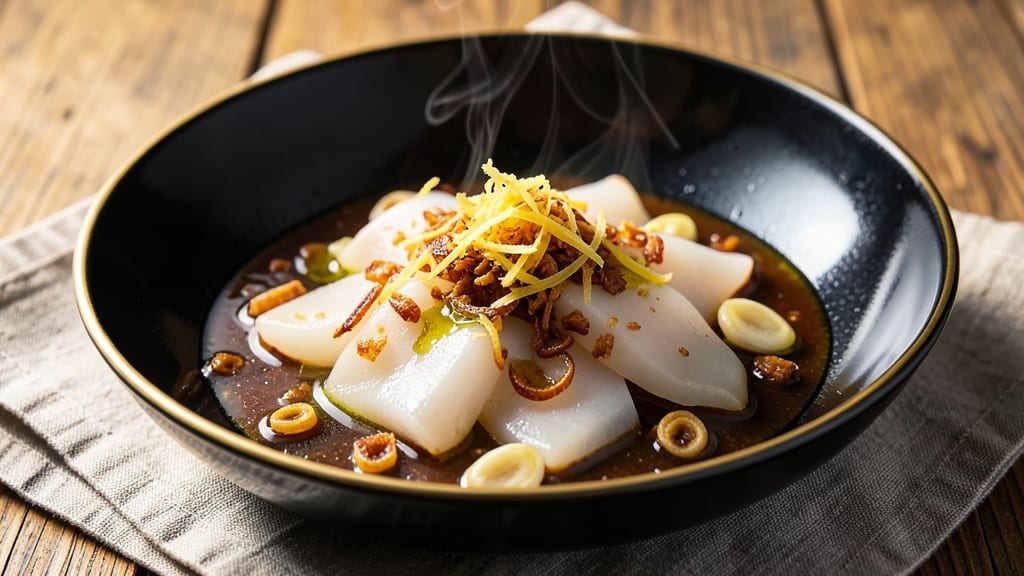
This abalone liver sauce recipe elevates simple dishes into decadent masterpieces with its velvety depth and unmistakable umami richness. This recipe leverages pantry staples to create a sauce that elevates seafood, meats, and even vegetables to restaurant-quality levels.
The process involves carefully simmering abalone liver with aromatics and reducing it into a concentrated, flavorful paste.
What sets this sauce apart is its versatility—it can be used as a dipping sauce, glaze, or marinade component, adding depth to any dish. The key lies in balancing traditional techniques like slow simmering with precise reductions to achieve the perfect consistency.
Safety is also critical when handling seafood, so we'll include proper preparation guidelines to ensure a smooth cooking experience.
The result is a sauce that's rich, aromatic, and packed with umami flavor, making it a standout addition to your culinary repertoire. Whether you're preparing a special dinner or enhancing everyday meals, this abalone liver sauce will bring a professional touch to your cooking.
Ready to elevate your dishes with this luxurious condiment?
This recipe is designed to be both approachable and impressive, using simple ingredients to create something extraordinary. Follow along to master the technique and unlock a new dimension of flavor in your kitchen. Let's get started on crafting this exceptional sauce!
Ingredients for abalone liver sauce
Nine essential ingredients transform into a luxurious sauce that delivers restaurant-quality umami depth to any dish.
| Ingredient | Amount | Notes |
|---|---|---|
| Abalone Liver 🦪 | 4 oz | Fresh, cleaned and trimmed |
| Extra-Virgin Olive Oil 🫒 | ½ cup | High-quality, fruity variety |
| Shallots 🧅 | 2 whole | Finely minced, 2 tbsp total |
| Garlic Cloves 🧄 | 4 cloves | Peeled and thinly sliced |
| Fresh Ginger 🌿 | 1 tbsp | Finely grated, organic preferred |
| Dry Sherry 🍷 | ¼ cup | Amontillado preferred |
| Fish Sauce 🐟 | 1 tbsp | Red Boat preferred quality |
| Soy Sauce 🥢 | 1 tbsp | Light or dark, to taste |
| Brown Sugar 🍚 | 1 tbsp | Lightly packed |
| Diamond Crystal Kosher Salt 🧂 | ½ tsp | For seasoning, adjust to taste |
The abalone liver is the cornerstone of this sauce—freshness is non-negotiable. Source it from reputable seafood purveyors like Whole Foods or specialty Asian markets, where it's typically sold pre-cleaned. Look for vibrant color and a clean, briny aroma; avoid any with a fishy odor. The liver should be trimmed of connective tissue and finely chopped for even distribution. For those concerned about sustainability, opt for certified abalone products. The dry sherry adds complexity; Amontillado provides a balanced acidity that complements the umami without overpowering. If unavailable, substitute with an equal amount of dry white wine, though the flavor profile will differ slightly.
Substitutions must be approached with precision to maintain balance. Red Boat fish sauce is ideal for its clean, salty profile, but Red Boat's less expensive cousin works in a pinch. For those avoiding fish sauce, a blend of half soy sauce and half coconut aminos provides a reasonable alternative. The ginger can be swapped for galangal if available, which offers a citrusy depth. Brown sugar adds subtle sweetness; honey or maple syrup can replace it, though the texture may vary slightly. The olive oil must be high-quality—California avocado oil is another excellent option for its neutral profile. For a vegetarian adaptation, replace the abalone liver with 1 oz finely chopped dried shiitake mushrooms rehydrated in 2 tbsp soy sauce, though the umami depth will be less intense.
This sauce is best prepared fresh but can be stored properly for future use. Transfer to an airtight container and refrigerate for up to 5 days, though flavor peaks within the first 24 hours. For longer storage, freeze in 1-tbsp portions using ice cube trays, then transfer to a freezer bag. Thaw in the refrigerator overnight before use. The sauce thickens as it cools, so reheat gently with a splash of water or broth. Use within 3 months of freezing. For optimal results, let the sauce sit at room temperature for 10 minutes before serving to allow flavors to meld fully. This sauce pairs beautifully with grilled seafood, steamed vegetables, or even as a glaze for roasted meats
Why You'll Love This Recipe
- Five-Ingredient Magic: I swear by this recipe because it’s that simple—just abalone liver, olive oil, shallots, garlic, and ginger. No fancy prep, no hidden steps. Honestly, I’ve made it while waiting for a pan to heat, and it still comes out rich and velvety.
- Umami Bomb: That abalone liver? It’s like a flavor grenade—deep, briny, and packed with richness. The olive oil and ginger mellow it into something luxurious, but the garlic and shallots give it this kick that makes it unforgettable. Between us, it’s the kind of sauce that makes people ask, “What’s in this?”
- Sauce for Everything: Slather it on grilled fish, drizzle it over noodles, or toss it with stir-fried greens. I’ve even used it as a dipping sauce for dumplings—it works everywhere. Here’s what sold me: it turns basic meals into something special without trying too hard.
- Leftovers That Last: Make a double batch, and you’ve got a week’s worth of flavor. The sauce keeps beautifully in the fridge, and it only gets better as the flavors meld. I’ll be real: I’ve reheated mine three times and still crave it. Not the prettiest, but the taste makes up for it.
Step-by-step instructions for abalone liver sauce
Transform delicate abalone liver into a velvety, umami-rich sauce using only pantry staples.
Prepare the Aromatic Base
Heat the 0.5 cup extra-virgin olive oil in a medium saucepan over medium-low heat. Add the 2 whole shallots and 4 cloves garlic cloves, cooking gently for 5-6 minutes until the shallots soften and become translucent. This slow cook ensures they caramelize slightly without burning, which forms the sauce's foundational sweetness.
Stir in the 1 tablespoon finely grated fresh ginger and continue cooking for another 1-2 minutes until fragrant. The ginger should release its bright, citrusy aroma without turning brown. This aromatic base will carry the sauce's complexity, so don't rush this step. If the oil begins to smoke, reduce the heat immediately to preserve the delicate flavors.
Deglaze and Simmer the Sauce
Pour in the 0.25 cup dry sherry, scraping the bottom of the pan to release any browned bits. Allow the sherry to simmer for 2-3 minutes until it reduces by half and the alcohol evaporates completely. This step is critical—any remaining alcohol would overpower the abalone liver's delicate flavor.
Add the 1 tablespoon fish sauce, 1 tablespoon soy sauce, and 1 tablespoon brown sugar, stirring continuously. The fish sauce introduces deep umami, while the soy sauce adds saltiness and the brown sugar balances the acidity from the sherry. Let the mixture simmer for 3-4 minutes until it thickens slightly and coats the back of a spoon.
Incorporate the Abalone Liver
Cut the 4 oz abalone liver into small, even pieces—about ¼-inch cubes. Gently fold these into the simmering sauce, stirring just enough to distribute them evenly. The liver should cook for 2-3 minutes over low heat until it becomes tender but doesn't disintegrate. Overcooking will turn it rubbery, so monitor closely.
Season with the 0.5 teaspoon diamond crystal kosher salt, tasting as you go. The sauce should now have a rich, glossy texture with a harmonious blend of sweet, salty, and umami notes. If it's too thick, add 1 tablespoon water at a time until it reaches a velvety consistency. Remove from heat immediately to prevent the liver from overcooking.
Rest and Finish
Transfer the sauce to a bowl and let it rest for 5 minutes at room temperature. This allows the flavors to meld and the sauce to thicken slightly. Taste again and adjust the seasoning if needed—perhaps a touch more fish sauce for umami or a pinch of salt to balance.
The finished sauce should be smooth, glossy, and deeply flavorful, with the abalone liver pieces evenly distributed. Serve immediately over steamed rice, noodles, or grilled seafood to highlight its luxurious depth. If storing, refrigerate in an airtight container for up to 3 days, reheating gently over low heat before serving.
Pro Tips For Making Abalone Liver Sauce
- Blanching is Non-Negotiable: Toss those abalone livers in boiling water for 10 seconds first—yes, even if they look pristine. I learned this the hard way when a batch turned bitter because I skipped it; the blanching removes impurities and mellows the rich, fishy edge that can overpower the sauce.
- Mince Ginger Like Mad: No, a quick chop won’t cut it here—you need a fine, almost paste-like texture for the ginger. Pulse it in a food processor or grate it aggressively with a microplane. I was skeptical until I tried it; the sauce actually tastes brighter and more integrated, not just like a garnish.
- Low and Slow for Oil: Heat that extra-virgin olive oil slowly—start on medium-low and never let it smoke, even if it takes 5 minutes. I used to rush it, and the oil would burn, turning the sauce acrid. The goal is to coax out the aromatics from shallots and garlic without turning them to ash.
- Deglaze with a Splash: After frying the aromatics, don’t just dump in wine or stock—add a splash of dry sherry first (about 2 tablespoons), let it bubble for 30 seconds, then add the rest of your liquid. It deepens the flavor without overpowering the delicate abalone liver, and I’ve never had a sauce taste flat since I started doing this.
Dietary considerations for abalone liver sauce
Pescatarian-Friendly Umami
This abalone liver sauce is naturally pescatarian and packed with umami-rich seafood flavor from the liver and fish sauce. The abalone itself is a lean, protein-packed ingredient that aligns perfectly with seafood-centric diets.
For those avoiding shellfish entirely, the recipe can be adapted using shiitake mushrooms as a vegetarian alternative, though the umami depth will differ slightly. 🐟
Gluten-Free Adaptations
The base recipe is naturally gluten-free if using tamari instead of regular soy sauce. Tamari provides the same salty, savory depth without gluten-containing wheat. Always check labels on fish sauce brands—Red Boat is certified gluten-free, but some alternatives may contain wheat.
For extra assurance, opt for a dedicated gluten-free fish sauce like Soy Vay.
Low-Sodium Considerations
If you're watching your sodium intake, reduce the fish and soy sauces by half and boost flavor with extra dry sherry or a splash of lemon juice. The abalone liver itself contains natural umami compounds, so you can rely on its depth rather than added salt.
For a salt-free version, use Diamond Crystal kosher salt sparingly and taste as you go—this sauce is forgiving with seasoning adjustments. 🧂
Allergen Awareness
This sauce contains shellfish (abalone) and fish (fish sauce) allergens, so it's not suitable for those with seafood sensitivities. For a nut-free, dairy-free, and egg-free version, simply follow the recipe as written—no additional substitutions are needed.
Always double-check ingredient labels, especially for fish sauce, as some brands may process in facilities with other allergens.
Vegetarian Substitutions
To make this sauce vegetarian, replace the 4 oz abalone liver with 1 oz finely chopped dried shiitake mushrooms rehydrated in 2 tbsp soy sauce for 30 minutes. The mushrooms absorb the flavors beautifully, though the texture will be slightly firmer.
For deeper umami, add 1 tsp mushroom powder to the sauce during simmering. This adaptation works well for those avoiding seafood while still craving that rich, savory depth. 🍄
Storage Safety Tips
When storing leftovers, always transfer the sauce to an airtight glass container and refrigerate within 2 hours of cooking. The sauce keeps for 5 days in the fridge, but flavors peak within 24 hours.
For freezing, portion into 1-tbsp servings using ice cube trays—this makes it easy to thaw exactly what you need. Always reheat gently over low heat to prevent texture breakdown, and never refreeze thawed portions. 🥶
Nutrition facts
Frequently asked questions
What makes abalone liver sauce different from other seafood sauces?
Abalone liver sauce stands out for its intense umami depth and velvety texture, thanks to the abalone's natural richness. Unlike fish-based sauces, it offers a more refined, almost buttery quality when properly reduced. The liver's natural oils create a luxurious mouthfeel that pairs beautifully with delicate seafood or grilled proteins.
Can I use frozen abalone liver for this recipe?
Fresh abalone liver yields the best results, but if using frozen, thaw it completely in the refrigerator overnight. Never thaw at room temperature as this can accelerate spoilage. The texture may be slightly less tender than fresh, but it will still work well when cooked gently. For optimal flavor, source high-quality frozen liver from reputable suppliers.
How do I adjust the sauce if I don't have dry sherry?
Substitute with 0.25 cup dry white wine or 0.25 cup apple cider vinegar for acidity. If using vinegar, reduce the amount slightly (start with 2 tbsp) as it's more concentrated. The sherry adds complexity—white wine provides a milder alternative, while vinegar gives a tangier profile. For a non-alcoholic option, use 0.25 cup vegetable broth with an extra pinch of salt.
What are the best dishes to pair with this sauce?
This sauce excels as a dipping sauce for sushi, grilled fish, or steamed dumplings. Use it as a glaze for seared scallops or lobster tails, or drizzle over ramen noodles for instant umami elevation. Its richness also makes it perfect for finishing grilled meats like pork or duck. The key is balancing its intensity with lighter, fresh components.
Why did my sauce turn out too thick?
Over-reducing or insufficient liquid during cooking causes thickening. To fix it, whisk in 1 tbsp warm water at a time until reaching a glossy, velvety consistency. For prevention, add 1 tbsp extra sherry or broth during simmering. The sauce should coat the back of a spoon but remain pourable. If too thin, simmer uncovered for 2-3 minutes to reduce excess liquid.