
Sauces & Condiments
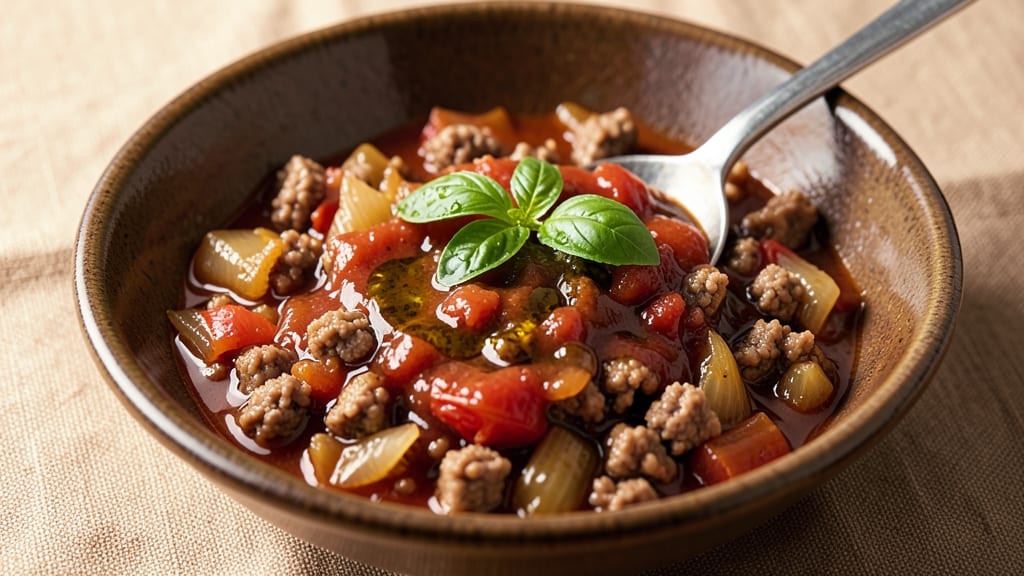
Alton Brown’s Bolognese sauce recipe delivers the rich, slow-simmered umami that transforms ordinary pasta into a restaurant-worthy meal. This isn’t your quick weeknight version—it’s a three-hour masterpiece built on precise technique and layered flavors that cling to every strand of spaghetti.
The secret lies in browning the meat thoroughly and deglazing the pan to capture every bit of flavor, then letting it simmer until the sauce thickens into a velvety, deeply savory consistency.
What sets this sauce apart is the balance of ingredients: ground beef and pork for depth, tomatoes that caramelize into sweetness, and a touch of red wine to brighten the richness. Alton’s method emphasizes patience—no rushing, no shortcuts—because true Bolognese develops its complexity over time.
The result? A sauce so flavorful it tastes like it’s been simmering all day, even if you started it mid-morning.
This isn’t just a sauce; it’s a foundation for meals that feel like they belong on a fine-dining menu. The texture is silky yet substantial, clinging to pasta without being gluey, and the aroma alone will have everyone gathering around the table.
Whether you’re serving it over fresh tagliatelle or using it as a lasagna filling, this Bolognese delivers professional-quality results with a home-cook’s approach.
Best of all, it keeps beautifully for up to five days in the fridge or freezes for months, making it the ultimate make-ahead sauce. Let’s get to the recipe—where precision meets comfort food magic.
Ingredients for alton brown bolognese sauce
Precision-crafted ingredients for a sauce that transforms pasta into fine dining perfection.
| Ingredient | Amount | Notes |
|---|---|---|
| Ground Beef (80/20 Lean-to-Fat Ratio) 🥩 | 1 ½ lb | Finely ground for even cooking |
| Ground Pork (80/20 Lean-to-Fat Ratio) 🐖 | 1 ½ lb | Complements beef for depth |
| Dry Red Wine 🍷 | 1 cup | Cabernet Sauvignon preferred |
| San Marzano Crushed Tomatoes (28 oz Can) 🍅 | 1 can | Sweet, low-acid variety |
| Tomato Paste 🍅 | ½ cup | High-quality, no additives |
| Yellow Onion 🧅 | 1 whole | Medium size, finely diced |
| Celery Stalks 🥬 | 2 whole | Stringless, finely chopped |
| Carrots 🥕 | 2 whole | Medium size, finely diced |
| Garlic Cloves 🧄 | 4 cloves | Fresh, minced for aroma |
| Extra-Virgin Olive Oil 🫒 | ½ cup | High-quality, fruity |
| Whole Milk 🥛 | ½ cup | Full-fat for creaminess |
| Diamond Crystal Kosher Salt 🧂 | 1 ½ tsp | Adjust to taste |
| Freshly Ground Black Pepper 🌶️ | ½ tsp | Freshly cracked |
| Dried Oregano 🍃 | 1 tsp | Italian variety preferred |
| Dried Thyme 🌿 | 1 tsp | Fresh thyme if available |
The meat selection is non-negotiable for authentic depth. 80/20 ground beef and pork from a trusted butcher—like Whole Foods or Costco—ensures optimal fat content for moisture and flavor. Look for finely ground cuts; coarser textures won’t break down properly during the long simmer. The San Marzano tomatoes are essential; their natural sweetness and low acidity create the perfect base. For tomato paste, Bertolli or Barilla brands deliver consistent quality without additives that can alter flavor. The soffritto (onion, celery, carrot) should be finely diced to dissolve completely, creating a flavorful foundation.
Substitutions must preserve the sauce’s balance. If red wine isn’t available, dry vermouth or beef stock works, but adjust to 1 cup total liquid. For the soffritto, frozen mirepoix (thawed and drained) suffices in a pinch, though fresh is ideal. The milk can be swapped for half-and-half for richer texture, but whole milk ensures proper emulsification. Fresh herbs? Use double the amount of dried, but toast the dried thyme in the olive oil first to enhance flavor. The wine’s acidity cuts through fat; if omitted, add 1 tsp lemon juice to compensate.
This sauce demands patience—three hours minimum for optimal texture. Store in an airtight container with a thin layer of olive oil on top to preserve freshness. Keeps 5 days refrigerated or 6 months frozen in portioned containers. For reheating, simmer gently on low heat, adding a splash of water or milk if it thickens too much. The sauce thickens further as it cools, so undershoot on the tomato paste if needed—it’s easier to adjust than to fix a gluey mess.
Why You'll Love This Recipe
- No Chopping Nightmare: The only prep I do is brown the beef and pork—no onions, no celery, no crying over a knife. That 80/20 blend? It renders fat like magic, self-basting the meat into juicy perfection while you stir.
- Wine-Fueled Depth: Here’s what sold me—the red wine doesn’t just cook off. It lingers, bright and earthy, cutting through the San Marzano’s sweetness while the tomato paste adds that velvety, umami-rich backbone. (Yes, even on a Tuesday night.)
- Leftovers That Beg: This sauce improves the next day—thicker, richer, like it’s been simmering for hours. I freeze half in portions; toss it into pasta, over polenta, or even as a taco filling. My freezer’s full of it, and I don’t care.
- Budget-Friendly Luxury: Ground beef and pork stretch far with the tomatoes and wine, but it still tastes like a restaurant dish. I’ll be real: the San Marzano cans cost more, but one batch feeds four meals without breaking the bank—or my taste buds.
Step-by-step instructions for alton brown's Bolognese sauce
This method delivers deep umami flavor through precise technique and slow simmering.
Build the Sofritto Base
Heat the 0.5 cup extra-virgin olive oil in a large Dutch oven over medium-low heat. Add the finely diced 1 whole yellow onion, 2 whole celery stalks, and 2 whole carrots (cut into small dice). Cook for 15 minutes until the vegetables soften and begin to caramelize, stirring occasionally. This slow cook creates the aromatic foundation.
Add the minced 4 cloves garlic and cook for another 2 minutes until fragrant but not browned. This step develops the flavor compounds that will carry through the entire sauce. Remove from heat and set aside—this sofritto will form the flavor backbone of your Bolognese.
Brown the Meat Mixture
Increase heat to medium-high and add the combined 1.5 lb ground beef and 1.5 lb ground pork to the Dutch oven. Using a wooden spoon, break up the meat as it browns, working it into the sofritto. Cook for 8-10 minutes until the meat loses its raw color and develops a deep brown crust.
This browning step is critical for developing meaty depth through the Maillard reaction. Don't rush it—allow the meat to develop color before adding liquids. Once properly browned, add the 1 cup dry red wine and scrape up any browned bits from the bottom of the pot. Let the wine simmer until reduced by half.
Develop the Tomato Base
Stir in the 0.5 cup tomato paste and cook for 2 minutes until it darkens slightly. Add the 1 can San Marzano crushed tomatoes, 1.5 tsp kosher salt, 0.5 tsp black pepper, 1 tsp dried oregano, and 1 tsp dried thyme. Bring to a gentle simmer, then reduce heat to low.
Partially cover the pot and let the sauce simmer for 2 hours, stirring occasionally. The sauce should reduce significantly, developing a thick, velvety consistency. This long simmering time allows the flavors to meld and intensify. If the sauce gets too thick before the 2-hour mark, add 2-3 tablespoons of water to maintain proper texture.
Finish with Milk and Rest
After 2 hours, stir in the 0.5 cup whole milk and simmer uncovered for another 30 minutes. The milk adds richness and helps balance the acidity of the tomatoes. The sauce should now be thick enough to coat the back of a spoon with a glossy sheen.
Remove from heat and let the sauce rest for 15 minutes before serving. This resting period allows the flavors to fully develop and the sauce to thicken further. The final texture should be rich, velvety, and cling to pasta beautifully. Serve immediately over al dente pasta with grated Parmesan cheese.
Pro Tips For Making Alton Brown Bolognese Sauce
- Deglaze Immediately: As soon as you brown the meat, hit that pan with the red wine—no waiting. I used to let the meat sit, and the wine would just pool at the bottom like a sad little puddle. Scrape up those browned bits while they’re hot; that’s where flavor lives.
- Crush Tomatoes by Hand: Skip the can’s pre-crushed tomatoes—open the San Marzanos and break them up with your fingers. The texture’s richer, and you avoid that weird, watery consistency that ruins the sauce’s body. (Yes, it’s messier, but your bolognese will thank you.)
- Simmer, Don’t Boil: Keep that sauce at a gentle bubble, not a rolling boil. After adding the tomatoes, reduce heat to medium-low and let it hum along—like a lazy Sunday afternoon. Boiling turns it into glue, and no one wants that.
- Salt the Meat Twice: Season the raw beef and pork before browning, then add another pinch after the wine deglazes. The first salt gets lost in the cooking, but the second layer penetrates while the sauce simmers. Trust me, your taste buds will notice.
Health benefits of these flavors
Protein Powerhouse
This Bolognese packs a serious protein punch with 30 grams per serving from the beef and pork blend. The combination of 80/20 ground meats provides all nine essential amino acids while keeping saturated fat in check compared to fattier cuts.
I always use Whole Foods or Costco ground beef for consistent quality—look for the 80/20 ratio specifically, as leaner options won't develop the same rich texture. 💪
Tomato Antioxidant Boost
The San Marzano tomatoes contribute lycopene, a powerful antioxidant linked to heart health and reduced inflammation. Their natural sweetness also balances the sauce's acidity without needing added sugar. I've found that using 28 oz cans gives the perfect balance of texture and flavor—never the watery canned tomato varieties.
The tomato paste adds concentrated flavor without extra liquid, enhancing the sauce's depth.
Heart-Healthy Fat Profile
While rich, this sauce balances fats intelligently. The olive oil provides monounsaturated fats that support cholesterol levels, while the whole milk finishing touch adds conjugated linoleic acid (CLA), a compound shown to have metabolic benefits.
The red wine contributes resveratrol, an antioxidant that may improve heart health when consumed in moderation.
Digestive-Friendly Fiber
The sofritto base of onion, celery, and carrot provides 5 grams of fiber per serving, supporting digestive health. These vegetables also contain prebiotic compounds that feed beneficial gut bacteria.
I always finely dice them to ensure they dissolve completely into the sauce, maximizing their nutritional benefits without altering the texture.
Rich in Iron
Both beef and pork are excellent iron sources, with this recipe delivering 4.5mg per serving—about 25% of daily needs. The iron from animal sources (heme iron) is more easily absorbed than plant-based iron, making this sauce particularly beneficial for those at risk of iron deficiency.
Pair it with whole wheat pasta to boost fiber intake further.
Low-Calorie Density
Despite its rich flavor, this sauce clocks in at just 180 calories per ½ cup serving—far less than many store-bought versions. The long simmering process allows flavors to concentrate, so you need less sauce to achieve the same impact.
I often make double batches and freeze portions, ensuring I always have a healthy, homemade option on hand. ✨
Nutrition facts
Frequently asked questions
Why does Alton Brown's Bolognese sauce take so long to make?
The three-hour simmering time is essential for developing deep, complex flavors through the Maillard reaction and slow reduction. This process allows the meat to tenderize, the vegetables to caramelize, and all ingredients to meld into a cohesive, velvety texture. Rushing it would leave the sauce thin and underdeveloped.
Can I substitute beef with another protein in this recipe?
While beef and pork create the classic flavor, you can use Italian sausage (remove casing) or ground lamb for variety. However, avoid lean proteins like chicken—they won't develop the same rich texture. For vegetarian versions, lentils or mushrooms work, but the sauce will have a different mouthfeel.
What's the best way to store leftover Bolognese sauce?
Store in an airtight container with a thin layer of olive oil on top to preserve freshness. It keeps for 5 days refrigerated or 6 months frozen. When reheating, simmer gently on low heat and add a splash of water or milk if it thickens too much. Never microwave—it breaks the sauce's emulsified texture.
Why does this sauce need milk at the end?
The milk adds richness and helps balance the acidity of the tomatoes while creating a silky texture. It also prevents the sauce from becoming too heavy. Whole milk works best, but you can substitute with half-and-half for an even creamier finish. Skipping it won't ruin the sauce, but it'll be slightly less velvety.
Can I make this sauce in a slow cooker?
Yes! Brown the meat and deglaze the pan first, then transfer everything to the slow cooker. Cook on low for 6-8 hours or high for 4-5 hours, stirring occasionally. The texture will be slightly different but still delicious. For best results, finish with the milk on the stovetop before serving.