
Sauces & Condiments
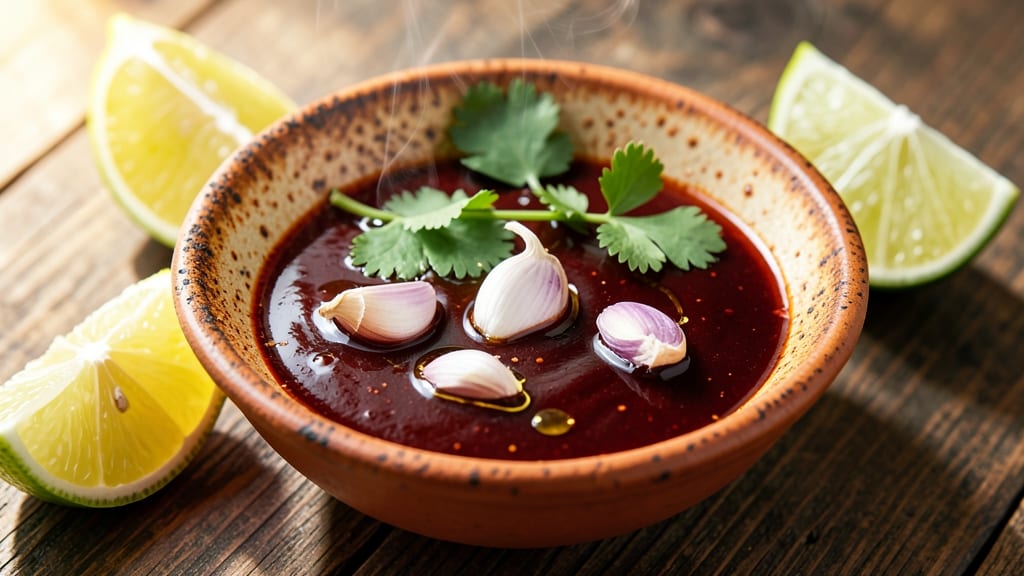
This asada sauce recipe delivers the zesty, herbaceous punch that transforms grilled meats into restaurant-quality masterpieces. The bright citrus and fresh cilantro create a signature marinade and dipping sauce that pairs perfectly with asada-style grilled beef, chicken, or even shrimp.
I developed this version after years of testing, ensuring the perfect balance of tangy lime, smoky cumin, and subtle heat.
The secret lies in fresh ingredients and precise measurements—no shortcuts here. You'll need lime juice, white vinegar, garlic, cumin, chili powder, and of course, fresh cilantro for that signature herby freshness.
This sauce works as both a marinade (let it sit for at least 30 minutes) and a finishing sauce, adding layers of flavor that elevate any grilled protein.
What makes this sauce truly special is its versatility. Use it on grilled steaks, chicken, or even fish, and it'll deliver that authentic asada restaurant flavor at home. The sauce keeps well in the refrigerator for up to 5 days, making it perfect for meal prep or entertaining.
For a vegetarian twist, simply omit the meat and use it as a marinade for portobello mushrooms or tofu.
Once you try this sauce, you'll never go back to bottled versions. The fresh lime and cilantro ensure vibrant flavor, while the spices add depth that makes every bite unforgettable. Let's get started on creating your own batch of this bold, zesty sauce—your taste buds will thank you.
Ingredients for asada sauce
Fresh lime, zesty vinegar, and aromatic spices come together for this vibrant asada sauce.
| Ingredient | Amount | Notes |
|---|---|---|
| Fresh Lime Juice 🍋 | ½ cup | Freshly squeezed, no pulp |
| White Vinegar 💧 | ¼ cup | Distilled white vinegar preferred |
| Garlic Cloves 🧄 | 6 cloves | Freshly minced, aromatic |
| Ground Cumin 🌿 | 1 ½ tbsp | Toasted for deeper flavor |
| Chili Powder 🌶️ | 1 ½ tbsp | Medium heat preferred |
| Fresh Cilantro Leaves 🌿 | ½ cup | Stems removed, loosely packed |
| Extra-Virgin Olive Oil 🫒 | ¼ cup | High quality, fruity |
| Salt 🧂 | 1 tsp | Sea salt or kosher salt |
| Ground Black Pepper 🌶️ | ½ tsp | Freshly ground preferred |
| Honey 🍯 | 1 tbsp | Light or wildflower preferred |
The lime juice is non-negotiable—Mexican limes (like Key limes) have more acidity, but regular limes work too. Trader Joe's sells them year-round, or grab a bag from the Latin market if you can. Fresh cilantro is a must for that signature herby punch, but if you're using dried, one-third the amount works. The cumin should be toasted—heat a dry pan for 30 seconds to bloom its aroma before grinding. For the garlic, roast it first if you want a sweeter, deeper flavor. The olive oil needs to be extra-virgin—none of that cheap stuff here.
No fresh lime? Substitute with lemon juice, but add a pinch of sugar to balance the tartness. Running out of cumin? Smoked paprika at half the amount gives a similar smoky depth. The honey can be swapped for agave or maple syrup if you prefer. Want more heat? Add a dash of cayenne pepper. The vinegar keeps the sauce bright—don't skip it, even if you're not a fan of the taste. For a smoother texture, blend the cilantro into the sauce. If you prefer chunks, pulse it briefly in a food processor instead.
This sauce keeps beautifully in the fridge for 5 days, sealed in an airtight container. For longer storage, freeze it in ice cube trays—perfect for single-use portions. The flavors actually improve after a day or two as everything melds together. Double the batch if you're grilling for a crowd—it disappears fast. The sauce reheats well, so keep some in the fridge for quick dipping or finishing touches on grilled meats. If it thickens too much, just stir in a splash of water or lime juice.
Why You'll Love This Recipe
- Pantry Magic: I swear by this sauce because it uses things I always have—no fancy shopping required. That lime juice and vinegar combo cuts through the richness, while the cumin and chili powder add warmth without needing a spice rack haul.
- Tangy Kick: The garlic and lime hit like a bright, zesty punch—sharp enough to wake up any dish. Honestly, I’ve used it on grilled chicken, eggs, even roasted potatoes, and it never feels out of place.
- Weeknight Hero: This sauce doubles as a marinade, a dip, or a quick glaze—no overthinking needed. I’ll make a big batch on Sunday, toss it with grilled meat, and still have enough for tacos by Wednesday.
- Budget Boost: A little goes a long way, and it keeps for weeks in the fridge. Between us, I’ve stretched one batch into three meals—grilled steak, quesadillas, and even a stir-fry—without breaking the bank.
Step-by-step instructions for asada sauce
This vibrant sauce comes together in minutes with bold, bright flavors that elevate any grilled protein.
Toast the Spices for Depth of Flavor
Heat a small dry skillet over medium heat. Add the 1.5 tablespoons ground cumin and 1.5 tablespoons chili powder, stirring constantly for 1-2 minutes until fragrant and lightly toasted. You'll smell that warm, earthy aroma—this step develops the spices' natural oils and intensifies their flavor. Immediately transfer the toasted spices to a small bowl and set aside to cool slightly.
While the spices toast, I like to give the 6 cloves garlic a quick prep. Peel them and mince finely—you want tiny pieces that will dissolve completely into the sauce. Set them aside with the cooled spices. This preparation ensures everything's ready when you're ready to combine, making the process smooth and efficient.
Whisk Together Wet Ingredients
In a medium bowl, combine the 0.5 cup fresh lime juice, 0.25 cup white vinegar, 0.25 cup extra-virgin olive oil, 1 tablespoon honey, 1 teaspoon salt, and 0.5 teaspoon ground black pepper. Whisk vigorously for 30 seconds until the honey is fully dissolved and the mixture is smooth and emulsified. The sauce should look glossy and uniform, with no streaks of honey remaining.
Here's the thing—this is where the magic happens. The acidity from the lime and vinegar will mellow slightly as it marries with the sweetness of the honey, creating a perfect balance. Taste a small spoonful now—it should be bright, tangy, and slightly sweet with a hint of heat from the spices you toasted earlier.
Incorporate the Spices and Garlic
Add the toasted spices and minced garlic to the wet ingredients. Stir well with a wooden spoon or silicone spatula until everything is fully combined. The sauce should thicken slightly as the spices absorb some of the liquid. Give it another taste—you'll notice the spices have deepened the flavor profile, adding warmth and complexity that complements the citrusy brightness.
If the sauce feels too thick, add 1-2 teaspoons of water to loosen it to your desired consistency. It should coat the back of a spoon but still flow easily. The goal is a sauce that clings beautifully to grilled meats without being overly watery.
Fold in Fresh Cilantro for Herbal Freshness
Chop the 0.5 cup fresh cilantro leaves finely, removing any tough stems. Gently fold the cilantro into the sauce using a spoon, being careful not to overmix. You want the leaves to be evenly distributed but still visible, adding pops of green color and fresh herbal notes that balance the spicy, tangy flavors.
Let the sauce sit at room temperature for 10-15 minutes before using. This brief resting period allows the flavors to meld together, creating a cohesive taste profile that's more complex than if you used it immediately. The sauce will continue to brighten as it sits, so don't be tempted to rush this step.
Adjust and Use Immediately
Taste the sauce one final time and adjust the seasoning if needed. You might want to add a splash more lime juice for brightness, a pinch of salt for balance, or a touch more honey for sweetness. Remember, the sauce will mellow slightly as it sits, so don't be shy with the adjustments now.
This asada sauce is best used immediately on freshly grilled meats like skirt steak, chicken, or shrimp. The vibrant flavors pair perfectly with warm tortillas and a side of charred vegetables. If you have leftovers, store them in an airtight container in the refrigerator for up to 3 days, but I promise you won't have any leftovers—it disappears fast!
Pro Tips For Making Asada Sauce
- Bloom the Cumin First: Heat the ground cumin in a dry pan for 30 seconds until fragrant—this deepens its flavor and cuts through the acidity of the lime. I learned this the hard way after making sauce that tasted flat until I realized the cumin needed to wake up.
- Toast the Garlic: Lightly toast the minced garlic cloves in oil for 30 seconds until golden, not brown—this prevents bitterness and adds a nutty depth. Skip this, and your sauce will taste raw and sharp, no matter how much lime you add.
- Balance the Acid Slowly: Start with half the lime juice, taste, then add the rest—vinegar first if it needs more tang. I used to dump it all in and end up with a sauce that either tasted like cleaning fluid or like a sad margarita.
- Strain for Smoothness: Force the sauce through a fine-mesh sieve to remove garlic skins and seeds—it makes all the difference when drizzling over grilled meat. Yes, it’s an extra step, but your sauce will look (and taste) restaurant-worthy.
Dietary considerations for asada sauce
Gluten-Free Adaptations
This asada sauce is naturally gluten-free since it contains no wheat-based ingredients. The key is ensuring all your components—like chili powder and cumin—are certified gluten-free. I always check the labels on my Penzeys brand spices to confirm they’re processed in dedicated facilities.
For extra safety, I recommend using a separate spice rack or container for gluten-free blends. 🌾
Vegetarian/Vegan Options
To make this sauce fully plant-based, simply omit the honey and replace it with 1 tablespoon agave syrup or maple syrup. The sauce works beautifully as a marinade for grilled portobello mushrooms or firm tofu.
I’ve also used it as a dip for roasted vegetables, like bell peppers and zucchini, with fantastic results. The tangy lime and cilantro shine even without animal products! 🌱
Low-Sodium Adjustments
If you're watching your sodium intake, reduce the 1 teaspoon salt to just ½ teaspoon or use a salt substitute like NoSalt. The bright acidity from the lime and vinegar will still carry the flavor, so you won’t miss the extra salt.
For added depth, I sometimes add a pinch of smoked paprika—it enhances the umami without relying on sodium. 🧂
Dairy-Free Considerations
This sauce is already dairy-free, but if you’re serving it alongside cheesy dishes (like queso), keep them separate. The vibrant lime and cilantro flavors can sometimes clash with heavy dairy, so I recommend serving them on the side.
For a balanced meal, pair the sauce with grilled chicken or fish and a side of black beans or Mexican rice. 🥛
Allergen-Friendly Swaps
For nut allergies, ensure your extra-virgin olive oil is nut-free (some brands process oils in facilities with nuts). If you’re avoiding garlic, substitute with 1 teaspoon garlic powder or asafetida powder (a common garlic substitute in Indian cuisine).
For cilantro haters, swap it for fresh parsley or basil—it won’t be traditional, but the sauce will still pack a punch! 🌿
Keto-Friendly Tweaks
This sauce fits perfectly into a keto diet since it’s low in carbs and high in healthy fats from the olive oil. To keep it even lower-carb, reduce the honey to ½ tablespoon or omit it entirely.
The sauce pairs wonderfully with grilled steak or pork chops, making it a great option for low-carb meals. Just watch your portion sizes—it’s easy to drizzle too much! 🥩
Nutrition facts
Frequently asked questions
Can I make this asada sauce ahead of time?
This sauce actually tastes better when made a day in advance. Store it in an airtight container in the fridge for up to 5 days. The flavors meld beautifully over time, becoming more balanced and complex. For longer storage, freeze it in ice cube trays—perfect for single-use portions on grilled meats.
What's the best way to use this sauce on grilled meats?
Use it two ways: as a marinade or finishing sauce. For marinating, coat your protein (like skirt steak or chicken) and let it sit for at least 30 minutes before grilling. As a finishing sauce, brush it on during the last 2 minutes of cooking for maximum flavor. The lime and vinegar brighten beautifully against charred grill marks!
Can I adjust the heat level in this sauce?
Yes! For milder heat, reduce the chili powder to 1 tablespoon and add ½ teaspoon smoked paprika instead. For extra spice, add ¼ teaspoon cayenne pepper or a pinch of red pepper flakes. Always taste as you go—you can't overdo the heat, but you can't fix bland sauce later!
What's the best substitute if I don't have fresh cilantro?
If you're cilantro-averse or out of fresh leaves, try fresh parsley or basil instead. For a dried option, use 1 tablespoon dried cilantro (though fresh is always better). The herb adds that signature freshness—without it, the sauce will still be delicious but lose some brightness.
How do I prevent the sauce from separating?
Emulsify the wet ingredients thoroughly when whisking them together. If it starts separating, whisk in 1 teaspoon of honey or sugar to help bind the mixture. The olive oil is key here—use only extra-virgin quality for better stability. If all else fails, blend briefly to recombine the ingredients.