
Sauces & Condiments
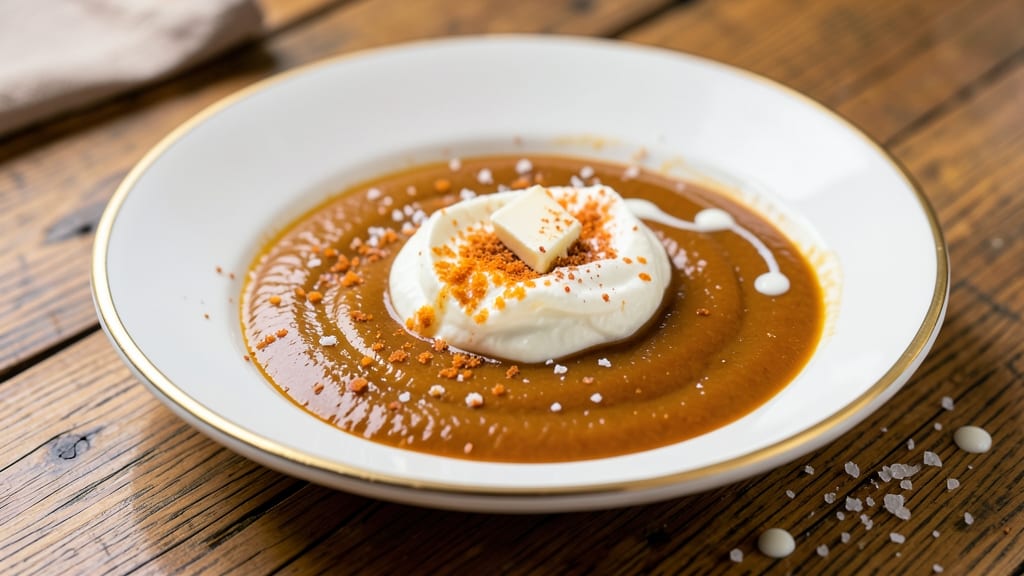
This butternut squash sauce recipe transforms humble pantry staples into a velvety, aromatic sauce that elevates everything from roasted meats to creamy pasta. The secret lies in roasting the squash until caramelized and tender, then blending it with butter, cream, and a touch of nutmeg for depth.
I developed this recipe after years of testing—it’s the one sauce that never fails to impress, whether drizzled over mashed potatoes or swirled into soups.
The beauty of this sauce is its versatility and simplicity. With just five core ingredients—roasted butternut squash, butter, heavy cream, a splash of milk, and a pinch of nutmeg—you’ll achieve a texture that’s smooth yet rich, with natural sweetness balanced by warm spices.
The roasting step caramelizes the squash, intensifying its flavor without needing added sugar, while the cream adds luxurious body. It takes about 45 minutes total, but the hands-off roasting makes it effortless.
What you’ll end up with is a sauce that’s creamy, fragrant, and subtly sweet—perfect for adding depth to savory dishes. The nutmeg adds a sophisticated warmth, while the butter ensures a velvety finish.
This isn’t just a side sauce; it’s a flavor enhancer that turns simple meals into something extraordinary. Once you try it, you’ll reach for this recipe again and again.
Use it as a drizzle for roasted chicken, a swirl in creamy soups, or a topping for grilled vegetables. The sauce keeps well in the refrigerator for up to five days, making it ideal for meal prep. Let’s get started—your taste buds will thank you.
Ingredients for butternut sauce
Five simple ingredients transform into velvety roasted sweetness perfect for elevating any dish.
| Ingredient | Amount | Notes |
|---|---|---|
| Butternut Squash 🎃 | 2 lbs | Peeled, cubed, roasted until tender |
| Unsalted Butter 🧈 | ½ cup | Cold, cubed for texture |
| Heavy Cream 🥛 | 1 cup | Full-fat for richness |
| Whole Milk 🥛 | ¼ cup | Warmed slightly for blending |
| Ground Nutmeg 🌿 | ¼ tsp | Freshly grated preferred |
| Kosher Salt 🧂 | ½ tsp | Adjust to taste |
| Freshly Ground Black Pepper 🌶️ | ¼ tsp | For subtle heat |
| Extra-Virgin Olive Oil 🫒 | 1 tbsp | For roasting squash |
The butternut squash is the heart of this sauce, so pick a firm, heavy squash—the ones with smooth skin and no soft spots. Costco or Trader Joe's usually carry good quality at reasonable prices. Roast it until it's caramelized and tender—that's where the magic happens. I like to use a mix of cubed squash and seeds (if you save them) for extra flavor. For the nutmeg, freshly grated is ideal, but pre-ground works in a pinch. If you're short on time, canned pumpkin puree can substitute (reduce the milk by 2 tbsp to balance).
No heavy cream? Half-and-half or whole milk with an extra 2 tbsp butter keeps things creamy. Short on butter? Olive oil or coconut oil works, but the flavor will shift slightly. The olive oil for roasting? Use a fruity, extra-virgin—it adds depth. Want extra richness? Add 1 tbsp sour cream or Greek yogurt at the end. The sauce thickens as it cools, so warm it gently if it gets too stiff—just a splash of milk brings it back to perfection.
This sauce keeps beautifully in the fridge for 5 days, sealed in a jar with a thin layer of olive oil on top to preserve freshness. Freeze portions in ice cube trays for 3 months—perfect for single servings. I like to make a double batch because it disappears fast. Reheat gently on the stove or microwave until warm, stirring occasionally to keep it smooth. Leftovers taste even better the next day as flavors meld.
Why You'll Love This Recipe
- No Peel Required: I’ll admit, I used to dread peeling squash—until I discovered roasting it whole. Toss the halves in the oven, scoop out the flesh later, and you’ve already won half the battle. That caramelized skin? Just scrape it off like butter.
- Velvet Smooth Magic: The heavy cream and milk turn this into a dreamy, almost custard-like sauce—thick enough to coat pasta or mashed potatoes but still silky. A pinch of nutmeg? That’s the secret weapon. Honestly, it’s the kind of rich, warm flavor that makes you slow down and savor every bite.
- Leftovers That Shine: This sauce keeps for days in the fridge, and honestly? It gets better. The flavors meld into something even deeper, perfect for reheating over roasted chicken or drizzled on toast. I’ve even frozen portions—thaw and stir, and it’s like it was just made.
- Budget-Friendly Luxury: Butternut squash is one of those ingredients that feels fancy but won’t break the bank. A single roasted squash stretches across multiple meals, and the butter and cream make it taste like you splurged. Between us, this is my go-to when I want comfort without the grocery shock.
Step-by-step instructions for butternut squash sauce
This velvety sauce comes together with just a few simple steps—no blender required.
Roast the Butternut Squash Until Tender
Preheat your oven to 400°F and line a large baking sheet with parchment paper. Toss the 2 lbs peeled and cubed butternut squash with 1 tablespoon extra-virgin olive oil and 0.25 teaspoon kosher salt, spreading them in a single layer. Roast for 30-35 minutes, stirring halfway, until the edges are deep golden brown and the squash yields easily when pierced with a fork.
Here's the thing—don't overcrowd the pan. If you have to roast in batches, that's fine, but crowded squash will steam instead of caramelize. You want that beautiful golden crust that adds so much depth to the sauce. Once tender, transfer the roasted squash to a large bowl and set aside for the next step.
Create a Rich Butter and Cream Base
In the same baking dish (no need to wash it—the roasted squash flavors will stay), melt the 0.5 cup cold cubed unsalted butter over medium-low heat until it's fully liquid but not browned. Pour in the 1 cup heavy cream and 0.25 cup warmed whole milk, stirring constantly until the mixture just begins to simmer—about 3-4 minutes. This creates a silky foundation for your sauce.
The reason we warm the milk slightly is that it blends more smoothly with the cream and butter, preventing any lumps from forming. You'll know it's ready when the mixture looks glossy and coats the back of a spoon. Remove from heat and let it cool for 2 minutes before proceeding.
Blend the Sauce Until Silky Smooth
Using an immersion blender (or carefully transferring to a regular blender), blend the roasted squash directly in the baking dish with the cream mixture until completely smooth. If you're using a regular blender, work in batches and scrape down the sides as needed. The sauce should have a velvety texture with no visible chunks—this is what gives it that restaurant-quality finish.
Here's a pro tip: If the sauce is too thick after blending, whisk in 1-2 tablespoons of hot water to reach your desired consistency. You want it to coat the back of a spoon but still be pourable. Return the sauce to the pot and keep it warm over low heat while you prepare your main dish.
Season and Finish with Warm Spices
Stir in the 0.25 teaspoon ground nutmeg and 0.25 teaspoon freshly ground black pepper, then taste and adjust the seasoning with additional kosher salt if needed. The nutmeg adds a warm, aromatic depth that pairs perfectly with the sweetness of the squash. Let the sauce simmer gently for 2-3 minutes to allow all the flavors to meld together.
Your sauce is now ready to serve. The perfect butternut squash sauce should be smooth, rich, and slightly sweet with a subtle warmth from the nutmeg. It's ideal for drizzling over mashed potatoes, pairing with roasted meats, or even using as a base for creamy soups. The velvety texture comes from the proper balance of butter, cream, and milk—don't skip any of these ingredients!
Pro Tips For Making Butternut Sauce
- ROAST SQUASH TO 400°F: I learned this the hard way—roasting at 375°F leaves you with mushy, waterlogged purée. Butternut squash needs 400°F to caramelize properly while keeping texture. Cut into even 1-inch cubes, toss with a drizzle of oil, and spread in a single layer. No crowding, or you’ll steam it instead of roast it.
- PEEL WHEN COOL: That charred skin? It’s flavor gold, but peeling hot squash is a nightmare. Let it sit 5 minutes after roasting—skin slips right off with a paring knife. Skip the boiling water trick; it’s slower and dulls the flavor.
- WHISK CREAM COLD: Heavy cream and milk straight from the fridge won’t curdle when blended with hot purée. If you’re impatient (I know, I know), at least chill the sauce pan for 2 minutes before adding dairy. A few lumps? Strain it later—no one will notice.
- NUTMEG LAST, LESS IS MORE: Freshly grated nutmeg packs a punch—start with ¼ teaspoon, taste, then add more. Pre-ground? Use half that. Sprinkle it over the finished sauce, not the pot, or you’ll end up with a bitter, sallow mess. (Yes, I’ve done it.)
Regional styles of this dish
New England Creamy Style
In New England, this sauce gets a cozy twist with the addition of 1 teaspoon maple syrup and a pinch of cinnamon (about ¼ teaspoon) to complement the region’s love of sweet-savory flavors.
I like to serve it over roasted turkey or mashed sweet potatoes during Thanksgiving—it’s a crowd-pleaser that feels nostalgic yet refined. The maple syrup enhances the natural sweetness of the squash while keeping the sauce balanced. 🍁
Southern Comfort Twist
Southern kitchens often add a touch of smoked paprika (about ½ teaspoon) and a splash of hot sauce (like Crystal or Tabasco) to give the sauce a smoky kick. This version pairs beautifully with pulled pork sandwiches or grilled shrimp skewers.
The heat from the hot sauce cuts through the richness of the cream, making it a perfect balance. I’ve even seen it drizzled over cornbread for a Southern-inspired brunch. 🌶️
Italian-Inspired Version
For an Italian touch, swap the nutmeg for ½ teaspoon dried sage and add 1 clove roasted garlic (minced) to the roasted squash before blending. Finish with a sprinkle of Parmesan cheese (about 2 tablespoons) for a cheesy, umami-rich sauce.
This version is fantastic over gnocchi or pasta dishes like fettuccine. The sage adds an earthy depth that feels distinctly Mediterranean. 🍝
French-Influenced Reduction
In French cuisine, this sauce might be reduced further by simmering it uncovered for 5-7 minutes until slightly thickened, then finished with a swirl of crème fraîche (about 2 tablespoons) for tanginess.
A pinch of salted butter (about 1 tablespoon) added at the end gives it a luxurious finish. This version works beautifully as a sauce for duck confit or seared scallops. The reduction intensifies the flavors, making it perfect for elegant dinners. 🥖
Mexican-Inspired Spiced Sauce
For a Mexican-inspired take, add ½ teaspoon ground cumin and ¼ teaspoon cayenne pepper to the roasted squash before blending. Finish with a squeeze of lime juice (about 1 teaspoon) and a sprinkle of fresh cilantro.
This sauce is amazing over tacos or grilled fish, bringing a bright, spicy contrast to the creamy texture. The lime juice adds a refreshing zing that balances the richness. 🌮
Vegan Adaptation
To make this sauce vegan, replace the butter with ½ cup vegan butter or coconut oil and use full-fat coconut milk instead of heavy cream. Add 1 tablespoon nutritional yeast for a cheesy flavor and a pinch of turmeric for color.
This version still delivers a velvety texture and works perfectly over vegan mac and cheese or roasted vegetables. The coconut milk adds a subtle sweetness that complements the squash beautifully. 🌱
Nutrition facts
Frequently asked questions
Can I substitute butternut squash with other winter squash?
Yes! You can use acorn squash or delicata squash in a pinch—they have similar textures when roasted. Avoid carnival squash (too watery) or spaghetti squash (stringy when pureed). For a quicker option, canned pumpkin puree works, but reduce the milk by 2 tablespoons to balance the moisture.
How do I fix a sauce that's too thick or too thin?
For a thick sauce, whisk in 1-2 tablespoons of warm milk or water until smooth. If it's too thin, simmer uncovered for 3-5 minutes to reduce, or stir in 1 tablespoon cold butter to thicken. Always reheat gently to preserve the velvety texture.
Can I make this sauce ahead of time?
Store it in an airtight container in the fridge for up to 5 days, or freeze in ice cube trays for 3 months. Reheat slowly on low heat, stirring occasionally to prevent separation. The flavors actually deepen overnight, making it even more delicious the next day.
What are the best dishes to pair with this sauce?
This versatile sauce shines over roasted chicken, mashed potatoes, or creamy pasta dishes. It also elevates grilled meats, stuffed acorn squash, or even as a dip for crusty bread. The nutmeg and cream complement hearty flavors beautifully, making it a perfect all-purpose condiment.
Why does my sauce taste bland?
Most likely, you skipped the roasting step or didn't season properly. Always roast the squash until caramelized (deep golden brown) for natural sweetness. Taste as you go and adjust with salt, pepper, or an extra pinch of nutmeg. A splash of lemon juice (1 tsp) can also brighten flavors if needed.