
Sauces & Condiments
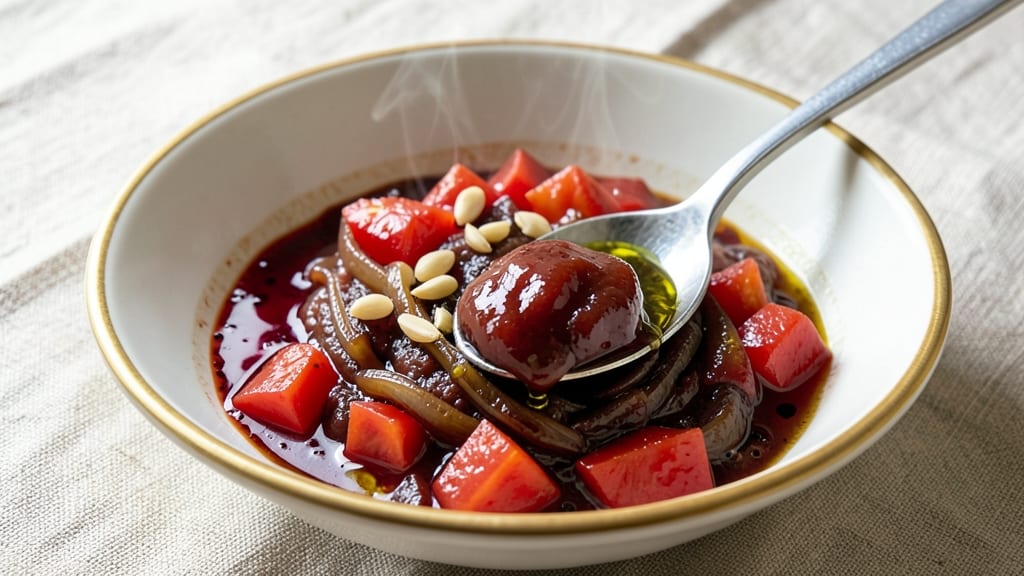
Transforming canned diced tomatoes into a velvety, restaurant-quality sauce takes just 15 minutes and elevates every dish it touches. This recipe unlocks the full flavor potential of pantry staples, turning ordinary tomatoes into a rich, versatile base for pasta, pizza, or stews.
The secret lies in proper seasoning and controlled reduction, which intensifies the natural sweetness while developing deep, savory notes.
What sets this sauce apart is its foolproof simplicity—no special equipment or advanced techniques required. A basic pot, a wooden spoon, and a few pantry staples are all you need to create a sauce that's smoother than store-bought yet packed with authentic depth.
The key steps involve simmering to concentrate flavors, balancing acidity with sweetness, and optional blending for a silky texture that clings perfectly to noodles or crusts.
By the time you're done, you'll have a versatile sauce that's ready to transform meals in minutes. The reduced consistency means it thickens as it cools, making it ideal for tossing with pasta or topping baked dishes.
Plus, it stores beautifully in the fridge for up to a week or can be preserved in jars for long-term use—turning a simple pantry ingredient into a flavor powerhouse.
Whether you're prepping for a week of meals or need a quick sauce upgrade, this method delivers professional results without the fuss. The best part? Every batch tastes like it came from a sun-drenched Italian kitchen, proving that great flavor doesn't require fresh tomatoes or hours of simmering.
Ingredients for canned diced tomato sauce
Pantry staples transform into velvety sauce with just 15 minutes of simmering.
| Ingredient | Amount | Notes |
|---|---|---|
| Canned Diced Tomatoes 🍅 | 2 cups | No salt added preferred |
| Extra-Virgin Olive Oil 🫒 | ¼ cup | High quality, fruity |
| Yellow Onion 🧅 | ½ cup | Finely diced, about 1 medium |
| Garlic Cloves 🧄 | 3 cloves | Peeled, roughly chopped |
| Tomato Paste 🍅 | ¼ cup | Squeeze tube or canned |
| Dry Red Wine 🍷 | ¼ cup | Bold, dry variety |
| Vegetable Broth 💧 | ½ cup | Low sodium preferred |
| Granulated Sugar 🍚 | 1 tbsp | Balances acidity |
| Salt 🧂 | 1 tsp | Diamond Crystal preferred |
| Black Pepper 🌶️ | ½ tsp | Freshly ground preferred |
The canned tomatoes are the foundation, so no salt added is key—it gives you full control over seasoning. Muir Glen or Del Monte brands are reliable, but any decent-quality diced tomatoes work. For the onion, yellow is best—it caramelizes beautifully and adds natural sweetness. The garlic should be freshly peeled and roughly chopped (no need to mince finely). If you're using a squeeze tube of tomato paste, Trader Joe's has the best quality—no lumps and it keeps for months. For the red wine, Cabernet Sauvignon or Merlot work perfectly, but any bold, dry red will do.
No red wine? Extra vegetable broth plus 1 tbsp balsamic vinegar mimics the depth. Fresh garlic unavailable? Garlic powder at half the amount works in a pinch, but fresh is worth it. Onion too strong? Swap for 1/4 cup diced celery—it mellows the flavor. The sugar balances acidity, but if you're using San Marzano tomatoes, you might skip it entirely—they're naturally sweeter. For the olive oil, avoid light or refined oils—look for 'extra-virgin' with fruity notes. The broth should be low-sodium to avoid over-salting the final sauce.
This sauce thickens as it cools, so strain it through a fine-mesh sieve if you prefer silky smooth texture. Stores in the fridge for 1 week or freezes for 3 months. I like to portion it into glass jars—they keep the sauce tasting fresh longer. For long-term storage, add a thin layer of olive oil on top before sealing to preserve color and flavor. The sauce reheats beautifully—just warm on the stove with a splash of water if it thickens too much.
Why You'll Love This Recipe
- Here’s what sold me: the tomato paste caramelizes into a glossy, rich layer at the bottom of the pan, while the canned tomatoes add bright acidity. A splash of red wine or a sprinkle of dried oregano? Suddenly, you’ve got restaurant-quality depth without the fuss.
- Pantry in Minutes: I swear by this sauce because it starts with just canned tomatoes—no fresh produce to buy or chop. Sauté onions and garlic in olive oil until soft, stir in tomato paste, then dump in the diced tomatoes with a pinch of salt. Done. That’s it. No stress, no mess.
- Deep Umami Magic: Here’s what sold me: the tomato paste caramelizes into a glossy, rich layer at the bottom of the pan, while the canned tomatoes add bright acidity. A splash of red wine or a sprinkle of dried oregano? Suddenly, you’ve got restaurant-quality depth without the fuss.
- Weeknight to Potluck: This sauce works for everything—toss it with pasta, stir into beans, or slather it on grilled chicken. I even freeze half the batch for lazy Sundays. Honestly, I keep making it because it’s my secret weapon for turning simple meals into something special, whether it’s a weeknight dinner or a crowd-pleasing potluck dish.
Step-by-step instructions for canned diced tomatoes sauce
Here's how to transform pantry staples into a rich, velvety sauce with layers of flavor.
Sauté Aromatics in Olive Oil
Heat the 0.25 cup extra-virgin olive oil in a medium saucepan over medium heat until shimmering but not smoking. Add the 0.5 cup finely diced yellow onion and cook for 4-5 minutes, stirring occasionally, until soft and translucent. Here's the thing—don't rush this step. You want the onions to gently caramelize just enough to build flavor without burning.
Add the 3 cloves roughly chopped garlic cloves and cook for 30 seconds until fragrant. Watch closely—garlic burns faster than you think. When the kitchen fills with that irresistible aroma, you're ready for the next step. This aromatic base forms the flavor foundation of your sauce, so take your time here.
Build the Sauce Base
Reduce heat to medium-low and stir in the 0.25 cup tomato paste, spreading it evenly around the pan. Cook for 1 minute until it darkens slightly and loses its raw tomato color. This step deepens the sauce's complexity by developing those concentrated tomato flavors.
Pour in the 0.25 cup dry red wine and scrape up any browned bits from the bottom of the pan with a wooden spoon. Let the wine simmer for 2-3 minutes until it reduces by half. This deglazing step captures all those flavorful bits that would otherwise stick to your pan. The alcohol will cook off, leaving behind rich, wine-infused notes.
Combine and Simmer
Add the 2 cups canned diced tomatoes, breaking up any large chunks with your spoon. Stir in the 0.5 cup vegetable broth, 1 tablespoon granulated sugar, 1 teaspoon salt, and 0.5 teaspoon black pepper. Bring the mixture to a gentle simmer over medium heat, then reduce heat to low to maintain a steady bubble.
Let the sauce simmer uncovered for 8-10 minutes, stirring occasionally. You're looking for a velvety consistency where the sauce coats the back of a spoon. If it thickens too quickly, add 1-2 tablespoons of water to maintain the perfect texture. The sugar balances the acidity from the tomatoes and wine, while the salt and pepper round out the flavors.
Finish and Adjust
Taste the sauce and adjust seasoning if needed. You might want to add a pinch more salt or a splash of red wine to enhance the depth of flavor. For a smoother texture, use an immersion blender to purée the sauce until silky. If you prefer some texture, simply stir vigorously with a wooden spoon.
Let the sauce rest for 5 minutes off the heat before serving. This allows the flavors to meld completely and the sauce to reach its ideal consistency. Serve immediately over pasta, with grilled meats, or as a base for your favorite dishes. The result is a rich, velvety sauce that transforms simple pantry ingredients into something truly special.
Pro Tips For Making Canned Diced Tomato Sauce
- Sweat the Onion Low: I learned this the hard way—cranking the heat too high turns onions bitter fast. Simmer them over medium-low with a splash of water until they’re translucent and just starting to caramelize (about 8-10 minutes). That soft, sweet base is what makes the sauce sing.
- Stir the Paste First: Don’t just dump tomato paste straight into the pot—mix it with a splash of olive oil or water first. This prevents clumping and ensures it dissolves smoothly into the sauce. I skip this step sometimes, and the result is a grainy texture that ruins the whole dish.
- Crush Some Garlic: Minced garlic burns in seconds. For this sauce, smash 2-3 cloves with the flat of your knife instead—it releases flavor without turning bitter. Add it with the onions and let it cook until fragrant but not browned. (Yes, even if you’re impatient like me.)
- Simmer Uncovered: The sauce will thicken faster and develop deeper flavor if you let it reduce uncovered. After 20 minutes, the liquid will start to pull back, and you’ll see a glossy sheen—this is when it’s ready. Covering too soon traps steam and keeps it watery. (Your future self will thank you.)
Essential equipment for great canned diced tomato sauce
Basic Pot Essentials
Start with a 3-quart medium saucepan—it gives you enough room to stir without splattering while allowing the sauce to reduce properly. I use a stainless steel pan like All-Clad because it heats evenly and prevents scorching.
A wooden spoon is your best friend here—it won’t scratch the pan and helps scrape up those flavorful browned bits. For precise temperature control, a small saucepan works too, but you’ll need to stir more frequently to prevent sticking. 🔥
Immersion Blender Upgrade
If you want ultra-smooth sauce, an immersion blender is a game-changer. The Ninja Foodi immersion blender is my top pick—it handles hot liquids safely and blends right in the pot. No need to transfer to a separate blender, which saves cleanup time.
For occasional use, a handheld stick blender like Oster works too, but it’s bulkier. Pro tip: Blend in short bursts to avoid splattering from steam buildup.
Fine-Mesh Sieve
A fine-mesh sieve (like the OXO Good Grips) removes seeds and skins for a silky texture if you prefer a smoother sauce. I strain my sauce through one after simmering—it makes a noticeable difference, especially for pasta dishes.
For chunkier texture, skip this step entirely. If you don’t own one, a cheesecloth works in a pinch, but it’s messier. The key is to press gently to avoid losing too much liquid.
Measuring Tools
Precision matters when balancing flavors. Use a liquid measuring cup for the red wine and vegetable broth to ensure accurate reductions. For dry ingredients like sugar and salt, a small kitchen scale or measuring spoons keeps things consistent.
I keep a spice grinder nearby too—freshly ground black pepper makes a difference. A digital thermometer isn’t essential, but it helps monitor simmering temps if you’re perfectionist like me. 🌡️
Storage Containers
For leftovers, glass jars with airtight lids (like Ball Mason jars) are ideal—they preserve flavor and keep the sauce fresh for up to a week in the fridge. If you’re canning, wide-mouth pint jars work best for easy ladling.
For freezing, silicone molds or freezer-safe glass containers prevent freezer burn. Always leave ½-inch headspace to allow for expansion. Label with dates—trust me, you’ll forget!
Optional Extras
Want to take it further? A microplane for fresh basil or red pepper flakes adds bright notes at the end. For depth, a small mortar and pestle lets you crush dried herbs (like oregano) directly into the sauce.
A ladle with a long handle helps with serving without burning your fingers. And if you’re ambitious, a canning kit lets you preserve sauces for months—just follow USDA guidelines for safety. 💫
Nutrition facts
Frequently asked questions
Can I substitute fresh tomatoes for canned diced tomatoes?
Yes, but you'll need to adjust the method. Use 4-5 medium fresh tomatoes (peeled, seeded, and diced) instead of the canned version. Simmer them longer (15-20 minutes) to break down their texture and reduce excess liquid. Add 1 tablespoon lemon juice to brighten the flavor since fresh tomatoes are less acidic than canned.
Why does my tomato sauce turn out too acidic?
Acidity builds from canned tomatoes and wine, but it's easily fixed. Balance it with 1-2 teaspoons of sugar or a pinch of baking soda (⅛ teaspoon max) to neutralize. For future batches, reduce the wine to 2 tablespoons or add ½ teaspoon cream of tartar during simmering. Taste as you go—adjust gradually!
How do I make this sauce thicker for pasta?
Simmer uncovered for 15-20 minutes to evaporate excess liquid. For instant thickening, mix 1 tablespoon cornstarch with 2 tablespoons cold water, stir into the sauce, and simmer 2 minutes. Alternatively, mash 1-2 roasted garlic cloves into the sauce—they release natural thickeners.
Can I use this sauce in place of marinara?
This richer, wine-infused sauce works perfectly for pasta, pizza, or braising. For a lighter marinara, reduce the wine to 2 tablespoons and add ½ teaspoon dried basil. For heartier dishes like lasagna, stir in ¼ cup ricotta before baking. The versatility comes from its balanced acidity and depth.
What if I don't have red wine?
No problem! Replace it with ¼ cup apple cider vinegar + ¼ cup extra broth for tang, or use ½ cup additional broth + 1 teaspoon soy sauce for umami. For a sweeter profile, add 1 tablespoon honey instead. The key is maintaining the 1:1 liquid-to-acid ratio to preserve flavor balance.