
Sauces & Condiments
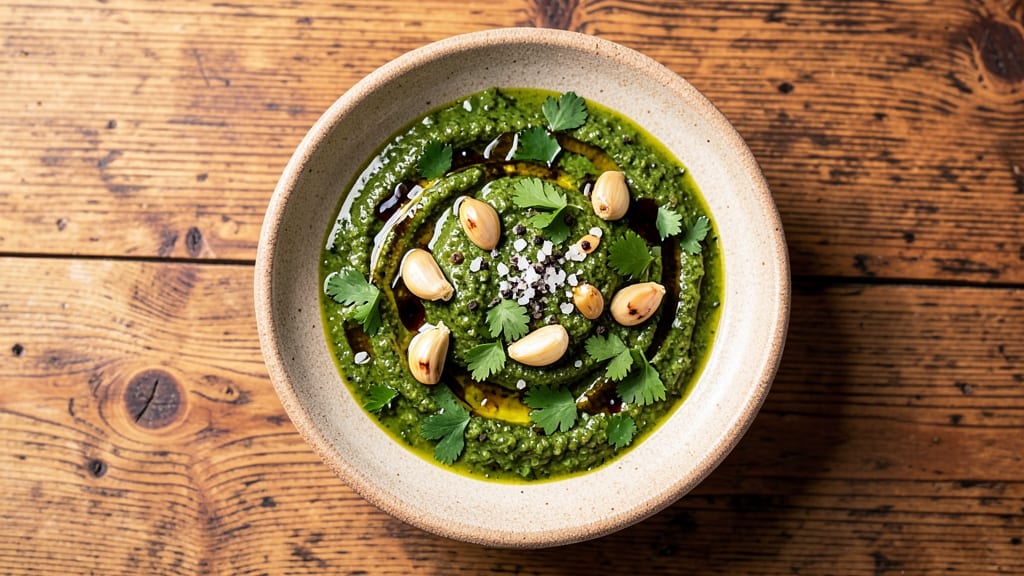
This Chili's chimichurri sauce recipe delivers the same vibrant, herb-packed freshness you love from their menu—but with a homemade twist that’s brighter, brighter, and packed with real flavor.
The secret lies in finely chopped parsley, garlic, and a perfect balance of vinegar and olive oil that creates that signature tangy, herby punch. I’ve perfected this version to stay true to Chili’s taste while keeping it simple enough for weeknight meals.
What sets this chimichurri apart is its 10-minute prep time and foolproof blending technique, ensuring every bite of chicken, steak, or shrimp gets that signature herbaceous kick. The sauce keeps well in the fridge for up to a week, making it perfect for meal prep or spontaneous dinners.
No cooking required—just chop, blend, and taste the difference between homemade and store-bought.
The result is a bold, fresh sauce that’s tangy, aromatic, and just spicy enough to elevate any dish. It clings perfectly to grilled proteins, adding layers of flavor without overpowering.
Whether you’re serving it with fajitas, tacos, or even as a dipping sauce, this chimichurri will become your go-to for restaurant-quality taste at home.
For extra versatility, adjust the garlic or vinegar to suit your preference—more garlic for depth, more vinegar for tang. Store it in an airtight container in the fridge, and give it a stir before each use to keep those herbs vibrant.
Ready to transform your meals in minutes? Let’s make it.
Ingredients for chili's chimichurri sauce
Nine fresh ingredients transform into vibrant chimichurri that rivals Chili's signature sauce.
| Ingredient | Amount | Notes |
|---|---|---|
| Fresh Flat-Leaf Parsley 🌿 | 2 cups | Stems removed, tightly packed |
| Garlic Cloves 🧄 | 6 cloves | Peeled, roughly chopped |
| Extra-Virgin Olive Oil 🫒 | ¾ cup | High-quality, fruity variety |
| Red Wine Vinegar 🍷 | ¼ cup | Dry, bold flavor preferred |
| Kosher Salt 🧂 | 1 ½ tsp | Fine grain preferred |
| Ground Black Pepper 🌶️ | ½ tsp | Freshly ground preferred |
| Red Chili Flakes 🔥 | ½ tsp | Adjust for spice preference |
| Ground Cumin 🌿 | ½ tsp | Toasted for deeper flavor |
| Lemon Juice 🍋 | 1 tbsp | Freshly squeezed |
The parsley is non-negotiable—bright green leaves only. Trader Joe's or farmers markets have the freshest, but grocery store parsley works if it's not wilted. Skip the stems, and pack those leaves tightly. Garlic matters too: six cloves give that signature depth, but if you're sensitive to garlic, start with four. The olive oil should be extra-virgin and fruity—none of that cheap cooking oil. I grab mine from Costco in bulk, but any high-quality bottle works. Red wine vinegar is key for that tangy bite—avoid balsamic or apple cider.
No red wine vinegar? White wine vinegar or lemon juice works in a pinch, but the flavor shifts slightly. Short on parsley? Mix in cilantro or basil (up to half), but expect a different vibe. The cumin and chili flakes are optional but add that subtle complexity Chili’s nails. Want more heat? Double the chili flakes. Need less? Cut them in half. The lemon juice is a game-changer—freshly squeezed brightens everything, but bottled works if you're in a rush. Salt and pepper should be kosher and freshly ground—table salt is too coarse and overpowers.
This sauce keeps beautifully—up to 1 week in the fridge, sealed in an airtight jar. Give it a stir before each use to keep those herbs vibrant. For longer storage, freeze in ice cube trays and transfer to a bag. Thaw overnight in the fridge. The sauce thickens as it sits, so add a splash of water or vinegar to loosen it up before using. Double the batch—it disappears fast!
Why You'll Love This Recipe
- No-Chop Nightmare: I swear by this sauce because the parsley is finely chopped—no knife skills required. Just pulse it in the food processor with garlic, olive oil, and vinegar, and you’re done. (Yes, even on a Tuesday night when I’d rather be watching The Great British Bake Off.)
- Garlic-Vinegar Magic: That bright acidity from the red wine vinegar cuts through the richness of the olive oil, while the garlic? Chef’s kiss. It’s punchy but balanced—like a hug from a flavor expert. I’ll be real: I make it just to dip bread.
- Weeknight to Dinner Party: This sauce works on grilled steak and scrambled eggs. Pack it in a jar for lunchboxes, drizzle it over roasted veggies, or toss it with pasta. My roommate once asked for it on tacos. I didn’t even blink.
- Lasts a Week: No sad, wilted herbs here—the vinegar preserves it beautifully. I keep a jar in the fridge for emergencies (read: lazy nights, last-minute guests, or when I forget to meal prep). Plus, olive oil is cheap, so you’re not breaking the bank.
Step-by-step instructions for chili's chimichurri sauce recipe
Here's how to make this vibrant, herb-packed sauce that brings bold freshness to any dish.
Prepare the Fresh Herb Base
Start by finely chopping the 2 cups of fresh flat-leaf parsley into small pieces—about the size of a fine dice. I like to use a sharp chef's knife and work in batches to keep everything even. Remove any thick stems as you go. The parsley should look like tiny green confetti when you're done.
Next, add the 6 peeled garlic cloves to the parsley. Roughly chop them—you don't need to make them tiny, just small enough to blend in. The garlic will mellow out during mixing, so don't worry if it's not perfectly minced. This herb-garlic combo forms the backbone of the sauce, so take your time getting it right.
Combine Wet Ingredients
In a medium bowl, whisk together the 0.75 cup of extra-virgin olive oil and 0.25 cup of red wine vinegar. The oil should be high-quality—you'll notice the difference in flavor. Let these two ingredients sit for 1 minute while you continue prepping the herbs. This gives the vinegar a chance to slightly emulsify with the oil, creating a smoother base.
Add the 1 tablespoon of freshly squeezed lemon juice to the oil and vinegar mixture. Stir well—this brightens the sauce and balances the richness of the olive oil. The lemon juice also helps preserve the vibrant green color of the parsley. If you're using bottled lemon juice, make sure it's fresh and hasn't been sitting in your fridge for months.
Mix in Seasonings and Herbs
Add the 1.5 teaspoons of kosher salt, 0.5 teaspoon of ground black pepper, 0.5 teaspoon of red chili flakes, and 0.5 teaspoon of ground cumin to the wet ingredients. Stir everything together until the spices are fully dissolved and the mixture looks like a pale green paste. The spices should be evenly distributed—this ensures every bite has that perfect balance of heat and earthiness.
Now, add the chopped parsley and garlic to the bowl. Using a wooden spoon or silicone spatula, gently fold everything together. You want to combine the ingredients without mashing the herbs—this keeps the sauce bright and fresh. The mixture will look like a vibrant green pesto at this point, but it needs one final step to reach its full potential.
Let It Rest and Develop Flavor
Cover the bowl with plastic wrap and let the chimichurri sauce sit at room temperature for 10 minutes. This resting time allows the flavors to meld together, making the sauce more cohesive and flavorful. Don't skip this step—it's what transforms a good sauce into a great one.
After resting, give the sauce another quick stir. It should now have a beautiful, vibrant green color with a smooth, almost creamy texture. If it looks too thick, you can thin it out with a splash of water or a little more red wine vinegar. The sauce should coat the back of a spoon but still be pourable—this consistency ensures it clings perfectly to meats, vegetables, or grains.
Adjust and Serve
Taste the chimichurri and adjust the seasoning if needed. You might want to add a pinch more salt, a sprinkle of chili flakes for extra heat, or a dash of lemon juice for brightness. The sauce should be bright, herby, and slightly tangy with a subtle kick from the cumin and chili flakes.
Transfer the chimichurri to a clean jar or airtight container. It will keep in the refrigerator for up to 5 days, making it perfect for meal prep. Serve it immediately over grilled meats, drizzled over roasted vegetables, or spooned alongside your favorite tacos. The fresh, herbaceous flavors will elevate any dish you pair it with!
Pro Tips For Making Chili'S Chimichurri Sauce
- Pulse, Don’t Chop: I used to hack through parsley with a knife, ending up with uneven bits and bruised leaves that turned bitter. Grab your food processor or immersion blender and pulse the parsley in batches—just until it’s finely chopped but still has texture. Over-processing turns it into pesto, not chimichurri.
- Roast the Garlic: Raw garlic dominates chimichurri. Wrap 2-3 peeled cloves in foil, roast at 400°F for 10-12 minutes until soft and golden, then cool before adding. The sweetness balances the acid, and it blends smoother—no harsh bite when you drizzle it over steak.
- Salt the Vinegar: Toss a pinch of kosher salt into the red wine vinegar before mixing it with the oil. It dissolves completely and rounds out the sharpness, so you’re not left with a sauce that tastes like you forgot to season it. Trust me, your taste buds will notice.
- Rest the Sauce: After blending, let the chimichurri sit for 15-20 minutes before using. The flavors meld, the vinegar mellows slightly, and the oil emulsifies better. I know, you’re eager to drizzle it on everything, but waiting makes the difference between good and wow.
Wine and beer pairings for these flavors
White Wine Pairings
Chimichurri’s bright acidity and herbaceous notes pair beautifully with dry, crisp white wines that cut through the richness of grilled meats. I reach for a Sauvignon Blanc from New Zealand—its citrusy zing and herbal undertones mirror the parsley’s freshness.
A Vermentino from Sardinia also works wonders, offering a salty minerality that complements the sauce’s tang. Avoid oaky Chardonnays—they’ll clash with chimichurri’s vibrant profile. 🍷
Light Beer Matches
For beer lovers, a pilsner or Helles lager is ideal—their clean, crisp profiles let the chimichurri shine. I love Peroni or Stella Artois for their subtle malt sweetness, which balances the sauce’s acidity.
If you prefer craft options, try a Belgian witbier like Hoegaarden—its coriander and citrus notes enhance the parsley’s brightness. Skip heavy stouts or IPAs; they’ll overpower the delicate herbs. 🍺
Red Wine Contrasts
Surprisingly, a light-bodied red like Pinot Noir or Beaujolais can work if you’re serving chimichurri with hearty dishes. The Pinot’s red fruit and earthiness harmonize with the cumin and chili flakes, while Beaujolais’ juicy cherry notes stand up to the sauce’s tang.
Just avoid bold Cabernets—their tannins will compete with chimichurri’s freshness. 🍇
Non-Alcoholic Options
Skip the alcohol? A sparkling water with a splash of lemon juice and ice mimics wine’s crispness. For something richer, try ginger beer—its spicy kick complements the chili flakes.
A cucumber-mint infused water also cools the palate between bites of grilled meats. These options keep the meal refreshing without alcohol. 💧
Regional Adaptations
In Argentina, where chimichurri originated, locals pair it with Malbec—the wine’s dark fruit and smoky notes contrast the sauce’s brightness. For a Mediterranean twist, try a Greek Assyrtiko—its mineral finish cleanses the palate. Each pairing reflects the dish’s cultural roots while enhancing its flavors. 🌍
Nutrition facts
Frequently asked questions
Can I make this chimichurri sauce without fresh parsley?
Fresh parsley is essential for that vibrant, herby flavor, but you can use 1 cup of dried parsley in a pinch. Just measure it in 1/4 teaspoon increments since dried herbs are more concentrated. For extra brightness, add 1 tablespoon of lemon zest to compensate for the missing freshness.
How do I adjust the spice level in this recipe?
The recipe includes 0.5 teaspoon of red chili flakes for a mild kick. For more heat, add 0.25 teaspoon extra at a time until you reach your desired spice level. If you prefer no heat, simply omit the chili flakes entirely—the cumin still adds depth without spiciness.
Can I use this chimichurri sauce on vegetables or grains?
This sauce works beautifully on roasted Brussels sprouts, grilled asparagus, or even quinoa bowls. The bright, tangy flavors complement vegetables perfectly. Just drizzle it on after cooking to keep the herbs fresh. For grains, mix in 1-2 tablespoons per serving to avoid overwhelming the dish.
Why does my chimichurri sauce look watery?
If your sauce is too thin, it’s likely because the parsley released too much moisture. Let it sit uncovered in the fridge for 30 minutes to thicken naturally. For immediate results, stir in 1 teaspoon of cornstarch mixed with 1 tablespoon of water until the desired consistency is reached. Avoid over-blending, as this can also dilute the sauce.
What’s the best way to store leftovers?
Transfer the chimichurri to an airtight container and refrigerate for up to 5 days. For longer storage, freeze in ice cube trays and transfer to a bag. Thaw overnight in the fridge. Stir before using to distribute flavors evenly. The sauce may thicken slightly—add a splash of water or vinegar to loosen it up.