
Sauces & Condiments
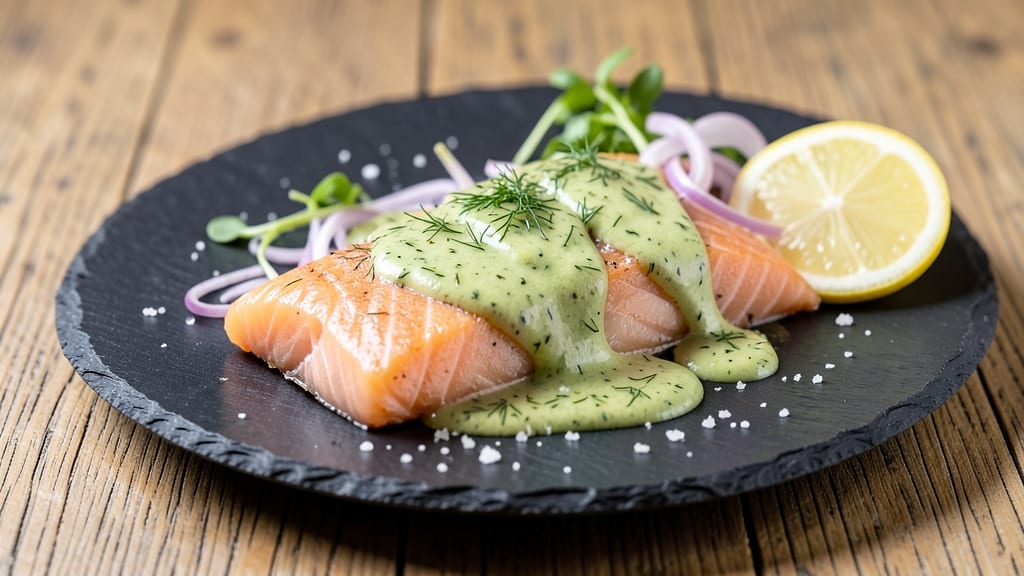
Cold poached salmon with dill sauce transforms simple ingredients into a restaurant-worthy dish that requires just 30 minutes of active time.
The technique of gently poaching salmon in a flavorful broth yields tender, flaky fillets that practically melt in your mouth, while the bright, herby dill sauce cuts through the richness with perfect acidity.
I developed this recipe after years of perfecting cold-poaching methods, ensuring the salmon stays moist and the sauce delivers that signature Scandinavian brightness.
The beauty of this dish lies in its simplicity and elegance—no complicated techniques, just precise timing and a few quality ingredients. You'll need fresh salmon fillets, aromatic herbs, and basic pantry staples to create a broth that infuses flavor without overpowering the delicate fish.
The dill sauce, made with fresh dill, sour cream, and a touch of lemon, adds a vibrant contrast that makes every bite feel special. This method also allows for meal prep flexibility, as the salmon can be poached ahead and chilled until ready to serve.
What you'll end up with is a dish that looks as impressive as it tastes—golden, flaky salmon served with a velvety green sauce that clings beautifully to each piece.
The texture is what sets this apart: perfectly tender salmon that falls apart at the touch of a fork, paired with a sauce that's creamy yet bright enough to cleanse your palate.
This is the kind of meal that elevates any gathering, whether it's a weeknight dinner or a special occasion spread. Ready to create chilled elegance?
Serve the salmon on a bed of fresh greens or with a simple cucumber salad for a refreshing contrast. Garnish with lemon wedges and extra dill for a pop of color and freshness.
The dish holds well in the refrigerator for up to 24 hours, making it ideal for meal preparation. Let's bring this sophisticated yet approachable recipe to your table.
Ingredients for cold poached salmon with dill sauce
Elegant yet simple: quality salmon, bright herbs, and pantry staples create restaurant-worthy chilled perfection.
| Ingredient | Amount | Notes |
|---|---|---|
| Fresh Atlantic Salmon Fillets 🐟 | 1 ½ lb | Skin-on, center-cut preferred |
| Fresh Dill 🌿 | ½ cup | Chopped, stems removed |
| Sour Cream 🥛 | ½ cup | Full-fat for creaminess |
| Lemon Juice 🍋 | ¼ cup | Freshly squeezed |
| Extra-Virgin Olive Oil 🫒 | ¼ cup | Light, fruity variety |
| White Wine 🍷 | 1 cup | Dry, such as Sauvignon Blanc |
| Vegetable Broth 💧 | 1 cup | Low-sodium preferred |
| Shallots 🧅 | 2 whole | Minced, or substitute 1 tbsp onion |
| Garlic Cloves 🧄 | 3 cloves | Minced, for broth |
| Fresh Lemon Zest 🍋 | 1 tbsp | Fine, for sauce |
| Sea Salt 🧂 | 1 ½ tsp | Fine grain, adjust to taste |
| Black Peppercorns 🌶️ | ½ tsp | Freshly cracked |
| Fresh Dill Sprigs 🌿 | 4 whole | For poaching broth |
| Fresh Bay Leaves 🍃 | 2 whole | For poaching broth |
| Ice Cubes ❄️ | 1 cup | For shocking salmon |
The salmon is the star—center-cut fillets with skin keep their shape beautifully during poaching. Whole Foods or your local fishmonger are best for freshness; look for fillets with vibrant color and minimal bruising. If using frozen, thaw in the fridge overnight for even cooking. Dill is non-negotiable here—fresh, not dried—for that signature Scandinavian brightness. I always grab extra because half goes in the sauce and half garnishes the plate. The white wine should be dry (think Sauvignon Blanc or Pinot Grigio) to balance the richness without overpowering the delicate fish flavor.
No white wine? Dry vermouth or extra vegetable broth works in a pinch, though the flavor profile shifts slightly. Short on fresh dill? Dried dill at one-third the amount gets you close, but the texture won't be the same. For the broth, low-sodium vegetable broth is key—skip the salted versions unless you're willing to adjust later. The shallots add subtle sweetness; if you can't find them, red onion works too (just double the amount). The ice cubes are crucial—they shock the salmon, locking in moisture and preventing overcooking. Pro tip: Use a thermometer to monitor the poaching liquid—it should never exceed 160°F.
Poached salmon keeps beautifully in the fridge for up to 24 hours, making this perfect for meal prep. Store it in an airtight container with a thin layer of sauce to prevent drying. The dill sauce holds for 3 days in the fridge, though the texture softens slightly after day one. For longer storage, freeze the sauce in ice cube trays—thaw and whisk before using. Reheat gently if needed, but cold salmon is best served chilled. Garnish with extra dill and lemon zest just before serving—that's when it looks most impressive.
Why You'll Love This Recipe
- No-Fuss Technique: I swear by this cold poach method—just salmon, dill, and lemon in a pot of simmering water. No flipping, no frying, no stress. The fillets stay tender while absorbing that bright, herbaceous flavor effortlessly.
- Bright & Creamy Magic: That dill sauce? It’s the star. Sour cream and fresh dill blend into something silky and tangy, while the lemon keeps it from feeling heavy. Honestly, the first bite makes me want to eat it straight from the bowl.
- Weeknight & Picnic Hero: Between us, this is my go-to for busy nights or lazy weekends. Serve it over greens with a drizzle of olive oil, or pack it cold for a no-lunchbox picnic. The salmon stays perfect either way—no reheating required.
- Leftovers That Don’t Suffer: Most cold salmon recipes ruin the second day, but not this one. The dill sauce clings beautifully, and the texture stays buttery, not dry. I’ll often make a double batch—it’s that reliable.
Step-by-step instructions for cold poached salmon with dill sauce
Master this elegant technique for perfectly tender salmon with vibrant herb sauce.
Prepare the Poaching Broth
In a large, deep skillet or saucepan, combine the 1 cup white wine and 1 cup vegetable broth. Add the 2 whole shallots and 3 cloves garlic cloves, along with the 4 whole fresh dill sprigs and 2 whole fresh bay leaves. Bring the mixture to a gentle simmer over medium heat until you can see small bubbles forming at the edges.
Simmer for 5 minutes to allow the aromatics to infuse the liquid. The broth should smell fragrant and slightly herby—this is your foundation for tender, flavorful salmon. Keep the heat at a low simmer throughout the poaching process to prevent the salmon from cooking too quickly.
Poach the Salmon Gently
Place the 1.5 lb fresh Atlantic salmon fillets, skin-side down if skin-on, into the simmering broth. Gently press down on the salmon with a fish spatula to ensure full contact with the liquid. Return the heat to a very low simmer—you should see just a few bubbles breaking the surface occasionally.
Poach the salmon for 8-10 minutes until the flesh is just opaque and flakes easily with a fork. The salmon should reach an internal temperature of 125-130°F—this ensures it remains tender and moist when chilled. Avoid overcooking, as salmon continues to cook slightly as it cools.
Shock and Chill the Salmon
Remove the salmon from the broth using a slotted spoon and transfer it to a large bowl filled with 1 cup ice cubes. Let it sit for 5-7 minutes to stop the cooking process and firm up the texture. This step also helps the salmon hold its shape when sliced.
Once chilled, drain the salmon and pat it dry with paper towels. The skin should be firm, and the flesh should hold its shape when gently pressed. Place the salmon on a serving platter and refrigerate until ready to serve—this dish tastes best when fully chilled.
Make the Dill Sauce
In a small bowl, whisk together the 0.5 cup sour cream, 0.25 cup lemon juice, and 1 tbsp fresh lemon zest until smooth. Gradually add the 0.25 cup extra-virgin olive oil while whisking continuously to create a light, emulsified sauce. Season with 1.5 tsp sea salt and 0.5 tsp black peppercorns, then stir in the 0.5 cup chopped fresh dill. The sauce should be bright green and slightly thick—adjust the consistency with a splash of water if needed.
Taste and adjust the seasoning, keeping in mind the salmon will add its own saltiness. The sauce should be tangy, herby, and perfectly balanced—this is the star of the dish. Keep the sauce chilled until ready to serve.
Serve with Elegance
Slice the chilled salmon into ½-inch thick portions and arrange on a platter. Spoon the dill sauce generously over the top, allowing it to cascade down the sides for visual appeal. Garnish with additional chopped fresh dill and a sprinkle of black peppercorns for a finishing touch.
Serve immediately with crusty bread, a simple green salad, or steamed vegetables. The contrast of cool salmon and bright sauce makes this dish perfect for summer gatherings or light lunches. The key to success lies in gentle cooking and proper chilling—don't rush these steps for the best results.
Pro Tips For Making Cold Poached Salmon With Dill Sauce
- Use Room-Temp Salmon: Take your salmon out of the fridge 20 minutes before poaching—cold fish cooks unevenly and can turn rubbery. I learned this the hard way after serving a batch that was still icy in the center while the edges were overcooked.
- Salt the Water: Add 1 tablespoon of salt to the poaching liquid (water, broth, or wine) to season the fish from the inside out. Skipping this step leaves the salmon tasting bland no matter how much dill or lemon you add later.
- Strain the Dill: Finely chop the dill and strain it through a sieve to remove tough stems before mixing it into the sour cream sauce. My grandmother swore by this, and it makes the sauce silky smooth instead of gritty.
- Poach at 160°F: Keep the poaching liquid at a gentle simmer (around 160°F) to prevent the salmon from curling or overcooking. A candy thermometer is worth the investment—any hotter, and you’ll end up with fish that falls apart when sliced.
Flavor customization for this cold poached salmon with dill sauce
Herb Variations
Swap dill for tarragon or chervil to create a French-inspired variation. Use 0.3 cup chopped tarragon (plus 0.2 cup dill) for a delicate anise-like note, or 0.4 cup chervil alone for a subtle, parsley-like brightness.
Both herbs pair beautifully with the salmon's natural sweetness while maintaining the dish's elegance. 🌿
Citrus Twists
Boost brightness with extra citrus—add 1 tbsp orange zest to the sauce for a Mediterranean-inspired twist. The citrus oils complement the dill while adding a subtle floral note. For a tropical variation, replace half the lemon juice with lime juice and garnish with thin lime wheels instead of lemon.
This works especially well with grilled salmon or when serving with mango salsa.
Spicy Kick
For heat lovers, stir ½ tsp smoked paprika or 1 tsp finely chopped jalapeño into the dill sauce. The smokiness of paprika pairs beautifully with the salmon's richness, while jalapeño adds a fresh, fruity heat.
Garnish with chopped cilantro instead of dill for a Southwest-inspired fusion. Serve with avocado slices for a balanced, vibrant plate. 🌶️
Creamy Alternatives
Replace sour cream with Greek yogurt for a lighter texture or crème fraîche for extra tang. For a vegan option, use cashew cream (blend ½ cup soaked cashews with ¼ cup water) and vegan mayo as a base.
The sauce will still emulsify beautifully, though the consistency may be slightly thicker. Add 1 tsp apple cider vinegar to enhance brightness.
Smoky Depth
Infuse the poaching broth with smoked salt (replace regular salt) or add 1 bay leaf + 1 sprig thyme for a woodsy note. For extra depth, simmer the broth with ½ tsp liquid smoke (just 1-2 minutes before adding salmon).
The smoky undertones elevate the dish without overpowering the delicate fish. Garnish with crispy fried shallots for a restaurant-worthy finish. 🔥
Sweet Contrasts
Balance the herby sauce with subtle sweetness by adding 1 tbsp honey or maple syrup to the dill mixture. This works especially well with caramelized onions on the plate or when serving with fruit compote (try raspberry or peach).
For a Scandinavian touch, top with lingonberry jam—the tart-sweet contrast is divine with cold salmon. 🍯
Nutrition facts
Frequently asked questions
Why poach salmon instead of cooking it hot?
Poaching salmon gently in warm liquid preserves its delicate texture while infusing subtle flavors. The low-temperature method (125-130°F) prevents overcooking, resulting in tender, flaky fillets that stay moist even when chilled. This technique also allows the salmon to absorb aromatic herbs from the broth, creating a more complex flavor profile than simple grilling or baking.
Can I make this recipe ahead of time?
The salmon can be poached and chilled up to 24 hours in advance, making it perfect for meal prep. Store it in an airtight container with a thin layer of sauce to prevent drying. The dill sauce holds well for 3 days in the fridge—just whisk before serving. Reheat gently if needed, but cold salmon tastes best when served chilled.
What if my dill sauce separates?
This happens when oil and liquid aren't properly emulsified. Whisk vigorously while adding the olive oil, or blend the sauce briefly. For a quick fix, stir in 1 tsp lemon juice or ½ tsp Dijon mustard to help bind the ingredients. The sauce should be bright green and slightly thick—adjust consistency with a splash of water if needed.
How do I know when the salmon is fully cooked?
Use a thermometer for accuracy—the salmon should reach 125-130°F internally. Visually, it should be just opaque and flake easily with a fork. Overcooking (beyond 140°F) makes it dry, so err on the side of undercooking slightly. The ice bath step after poaching helps set the texture perfectly.
What are the best sides to serve with this dish?
Pair the salmon with light, refreshing sides like a cucumber salad, asparagus spears, or crusty sourdough. For a Scandinavian touch, serve with new potatoes and lingonberry jam. The bright acidity of the dill sauce contrasts beautifully with creamy textures or crisp vegetables, balancing the rich fish.