
Sauces & Condiments
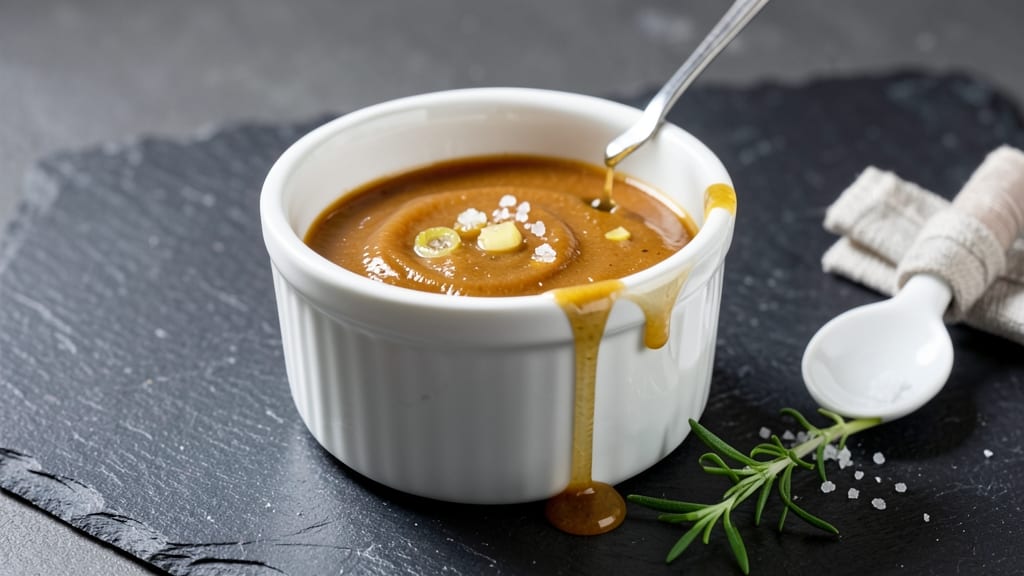
Creating an authentic Knorr-style Béarnaise sauce with pantry staples is simpler than you think—this rich emulsion delivers restaurant-quality flavor without requiring specialty ingredients. The secret lies in proper emulsification, where butter and egg yolks blend seamlessly into a velvety sauce.
I’ve refined this method over years of testing, ensuring the sauce remains stable and luscious every time.
This version uses white wine vinegar for brightness, shallots for depth, and fresh tarragon for that signature herbal note, all combined through a precise cooking technique. What sets this apart is the foolproof emulsification method, which prevents separation and guarantees a smooth, glossy finish.
The sauce thickens beautifully while maintaining its signature tangy richness.
Perfect for steak, fish, or grilled vegetables, this Béarnaise sauce elevates any dish with its bold, buttery flavor. Once made, it keeps well in the refrigerator for up to 5 days, with gentle reheating restoring its creamy texture. The process is straightforward, but the results are undeniably professional.
Whether you’re a home cook or a seasoned chef, this recipe delivers consistent, high-quality sauce with minimal effort. Let’s get started—your next meal will thank you.
Ingredients for knorr bearnaise sauce
Nine essential ingredients transform into a velvety Béarnaise sauce with restaurant-quality depth.
| Ingredient | Amount | Notes |
|---|---|---|
| Unsalted Butter 🧈 | 1 cup | Cold, cubed for emulsification |
| Large Egg Yolks 🥚 | 3 whole | Fresh, room temperature |
| White Wine Vinegar 🍷 | ¼ cup | Dry variety preferred |
| Shallots 🧅 | 2 whole | Minced, finely chopped |
| Fresh Tarragon 🌿 | ¼ cup | Chopped, stems removed |
| Diamond Crystal Kosher Salt 🧂 | ½ tsp | Fine grain preferred |
| Ground White Pepper 🌶️ | ¼ tsp | Freshly ground preferred |
| Extra-Virgin Olive Oil 🫒 | ¼ cup | Light, fruity variety |
| Fresh Lemon Juice 🍋 | 1 tbsp | Freshly squeezed |
| Water 💧 | ½ cup | Room temperature |
The quality of your butter and vinegar determines the sauce's character. For the butter, European-style unsalted butter (like Plugrá) melts more smoothly than American varieties, creating a silkier emulsion. If using American butter, ensure it's cold when cubed to prevent premature melting. The white wine vinegar should be dry—Bartles & Jaymes or La Vieille Ferme are reliable choices. Shallots add complexity; freshly minced (not jarred) ensures vibrant flavor. Tarragon is non-negotiable for authenticity—fresh bundles from the market outperform dried in this application. Store all aromatics in airtight containers to preserve their potency.
Substitutions are possible but may alter the sauce's signature profile. If tarragon is unavailable, fresh dill at half the amount offers a similar herbal brightness, though the flavor will differ. No white wine vinegar? Apple cider vinegar works in a pinch, but reduce to 2 tablespoons—it's more acidic. For a dairy-free version, replace butter with vegan butter or coconut oil, though the emulsion may require additional stabilizers. The olive oil should complement rather than overpower; light, fruity varieties (like California Early Harvest) balance the sauce's richness without dominating. If lemon juice isn't available, white wine or rice vinegar can substitute, though the tang will be subtly different.
This sauce must be used within 5 days of preparation for optimal texture and flavor. Store it in an airtight container with a thin layer of olive oil poured over the top to prevent oxidation and maintain its glossy sheen. Reheat gently in a double boiler or microwave in 20-second bursts, stirring between each interval to restore its creamy consistency. For long-term storage, freeze the sauce in 1-tablespoon portions—thaw overnight in the refrigerator before reheating. The emulsion may separate slightly upon reheating; simply whisk vigorously to re-emulsify. Portioning into ramekins makes it ideal for restaurant-style plating.
Why You'll Love This Recipe
- No Fuss, Big Payoff: I swear by this recipe because it’s the kind of sauce where you almost feel guilty for how little effort it takes. Just melt butter, whisk yolks into it, then let the vinegar and shallots do their magic—no tempering stress, no fancy gadgets.
- Herb-Packed Magic: That tarragon? Oh, it’s the star. The moment it blooms in the warm butter, the whole kitchen smells like a Parisian bistro. Honestly, I’ve tried store-bought, but nothing beats the bright, anise-kissed freshness of this homemade version.
- Steak Night or Salad Topper: Between us, this sauce works everywhere. Drizzle it over grilled steak for a fancy dinner, or toss it with cold pasta for a lunch that feels like a treat. (Yes, even on a Tuesday night.)
- Leftovers That Shine: The best part? It reheats like a dream. Store it in the fridge for up to 5 days, and when you’re in a rush, just warm it gently—no lumps, no sadness. That’s 5 days of effortless flavor for the price of a few eggs and herbs.
Step-by-step instructions for perfect homemade Béarnaise sauce
Transform simple pantry staples into velvety, restaurant-quality béarnaise with this precise technique.
Prepare the Tarragon Vinegar Reduction
In a small saucepan, combine the 0.25 cup white wine vinegar, 2 whole minced shallots, and 0.5 cup water. Bring to a gentle simmer over medium heat and cook for 8-10 minutes until reduced by half and the shallots are completely tender. This reduction forms the flavor base of your sauce.
Strain the mixture through a fine-mesh sieve into a heatproof bowl, pressing gently on the solids to extract maximum flavor. Let it cool to room temperature—this prevents scrambling when you add the egg yolks later. The reduction should be smooth with no visible particles, and the aroma should be bright with tarragon's anise notes.
Create the Egg Yolk Emulsion
In a clean, dry saucepan, place the 3 whole large egg yolks and set it over a double boiler—position the saucepan directly over a pot of simmering water, ensuring the bottom doesn't touch the water. Whisk the yolks constantly over low heat until they thicken to a pale, ribbon-like consistency, about 3-4 minutes. Remove from heat immediately.
Temper the yolks by gradually whisking in the cooled tarragon reduction, 1 tablespoon at a time, until fully incorporated. This gradual addition prevents curdling. The mixture should be smooth and slightly thickened, with a vibrant green hue from the tarragon. If any lumps form, strain the emulsion through a fine-mesh sieve for a silky texture.
Incorporate the Butter and Finish the Sauce
Cut the 1 cup unsalted butter into small cubes and add them to the warm yolk mixture. Whisk vigorously over low heat, adding the butter 1 cube at a time, allowing each piece to fully melt and emulsify before adding the next. This process should take 5-7 minutes—patience is key to avoid breaking the emulsion.
Once all butter is incorporated, stir in the 0.25 cup extra-virgin olive oil, 1 tablespoon fresh lemon juice, 0.5 teaspoon diamond crystal kosher salt, and 0.25 teaspoon ground white pepper. The sauce should be glossy, thick enough to coat the back of a spoon, and hold its shape when drizzled. If it's too thick, thin with 1 tablespoon water at a time until reaching your desired consistency.
Strain and Serve Immediately
Transfer the sauce to a fine-mesh sieve and let it drain into a clean bowl for 1-2 minutes. This final straining ensures a silky, velvety texture without any bits. Keep the sauce warm in a double boiler or at room temperature for immediate use—béarnaise sauce thickens as it cools, so reheat gently with a splash of water if needed.
Serve the sauce immediately over steak, fish, or asparagus, garnished with extra chopped tarragon. The sauce should cling beautifully to proteins, offering a perfect balance of tangy, herby, and rich flavors. For best results, use within 2 hours of preparation, as the emulsion may separate over time.
Pro Tips For Making Knorr Bearnaise Sauce
- Whisk Like Your Life Depends on It: Bearnaise isn’t just about heat—it’s about constant motion. Use a hand mixer on medium-high (not max, or you’ll scramble the yolks) and keep the bowl off direct heat for the first 30 seconds. I learned this the hard way after turning a silky sauce into a sad, lumpy mess.
- Mince Shallots to Dust: Tiny shallot pieces burn faster than you’d expect. Pulse them in a food processor until they’re almost paste-like—no visible chunks. This keeps your reduction smooth and prevents bitter flavors from sneaking in. (Yes, even if you’re impatient like me.)
- Strain Twice, Regret Nothing: First strain through a fine-mesh sieve to catch cooked shallots, then strain again through cheesecloth for that restaurant-worthy finish. The extra step removes grit and makes the sauce look (and taste) luxurious. I skip this sometimes—don’t.
- Butter in Slow Dribbles: Add the butter one tablespoon at a time, letting it melt completely before the next addition. Rushing this step = broken emulsion = curdled sauce. Think of it like a slow dance, not a sprint. (Your future self will notice the difference.)
Pro cooking tips for this recipe
Emulsification Mastery
Béarnaise sauce thrives on a stable emulsion, where butter and egg yolks blend seamlessly. The key is low and slow heat—whisk constantly over low heat to prevent curdling. I use a double boiler to maintain even warmth, ensuring the yolks thicken to a ribbon-like consistency before adding any liquid.
If the sauce breaks, strain it immediately through a fine-mesh sieve to salvage the emulsion. 💡
Butter Temperature Control
Cold, cubed butter is non-negotiable—it melts gradually, allowing the emulsion to form properly. Add 1 cube at a time, whisking vigorously until fully incorporated before introducing the next. If you rush, the sauce will separate into butter and liquid.
I keep a bowl of ice water nearby to chill the sauce slightly if it thickens too quickly, restoring balance.
Vinegar Reduction Timing
The tarragon-vinegar reduction must reduce by half—this concentrates the flavor and prevents a sour taste. Simmer for 8-10 minutes until the shallots are translucent. Cool it completely before mixing with yolks; room-temperature liquids prevent scrambling. I test doneness by tasting a drop—it should be tangy but not harsh.
Straining for Silky Texture
Strain the sauce twice: once after the reduction to remove shallots, and again after emulsifying to ensure a velvety finish. Use a fine-mesh sieve lined with cheesecloth for extra smoothness.
This step removes any lumps, giving you a restaurant-quality sauce. I save the strained solids for garnishes or stock—nothing goes to waste!
Reheating Without Breaking
If storing, reheat the sauce gently in a double boiler or microwave in 20-second bursts, stirring between each. Add 1 tablespoon water if it thickens too much.
The emulsion may separate slightly—just whisk vigorously to re-emulsify. For best results, use within 5 days of making it, as freshness preserves that buttery sheen.
Flavor Boosters
For extra depth, add 1 teaspoon capers or 1 anchovy fillet to the reduction—these enhance umami without overpowering. If you love heat, finish with a pinch of cayenne or crushed red pepper flakes.
I also drizzle 1 teaspoon cognac into the warm sauce for a luxurious touch. Adjust seasonings to taste—salt and pepper are your final adjustments. 🌶️
Nutrition facts
Frequently asked questions
Why does my homemade Béarnaise sauce separate?
Separation usually happens when the emulsion breaks due to heat or improper whisking. Always add cold butter 1 cube at a time while whisking vigorously over low heat. If it separates, strain through a fine-mesh sieve immediately and whisk in 1 tablespoon water to re-emulsify. The key is patience—rushing causes oil and butter to separate.
Can I make Béarnaise sauce without fresh tarragon?
Yes, but the flavor will differ. Use ½ cup fresh dill as a substitute, though it lacks tarragon's anise notes. For a closer match, try 1 teaspoon dried tarragon (steeped in the vinegar reduction), but fresh is always better. If you're missing it entirely, omit it—just know the sauce will taste more like a basic hollandaise.
How do I thin Béarnaise sauce if it's too thick?
Add 1 tablespoon water at a time while whisking constantly. For a richer texture, use warm water or a splash of white wine vinegar. Avoid over-thinning—Béarnaise should coat the back of a spoon but still drizzle smoothly. If it's too thick due to cooling, reheat gently in a double boiler with 1 tablespoon water to restore consistency.
What’s the best way to reheat Béarnaise sauce?
Reheat gently in a double boiler or microwave in 20-second bursts, stirring between each interval. Never boil it—high heat breaks the emulsion. If it thickens too much, whisk in 1 tablespoon water or white wine vinegar to restore smoothness. For best results, use within 5 days of making it to preserve that glossy finish.
Can I make Béarnaise sauce ahead of time?
Yes, but store it in an airtight container with a thin layer of olive oil on top to prevent oxidation. Keep it refrigerated for up to 5 days. Before serving, reheat gently and whisk vigorously to re-emulsify. For long-term storage, freeze in 1-tablespoon portions—thaw overnight in the fridge and reheat slowly. The texture may separate slightly, but whisking restores it.