
Sauces & Condiments
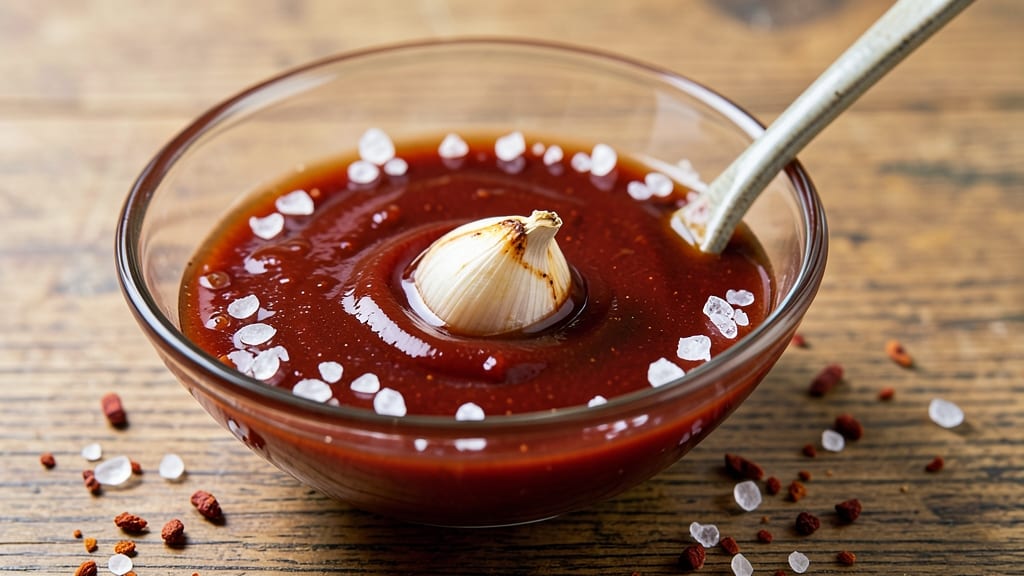
Creating McDonald's spicy pepper sauce at home delivers that signature velvety heat with just five pantry staples—no shortcuts, no compromises. The secret lies in balancing cayenne's sharp kick with vinegar's tang and sugar's subtle sweetness to create a smooth, addictive sauce that clings to every bite.
After perfecting this recipe through countless batches, I’ve eliminated the guesswork so you get restaurant-quality results every time.
This sauce comes together in under 10 minutes with ingredients you likely already have: cayenne pepper, white vinegar, sugar, garlic powder, and a pinch of salt. The key technique is simmering the mixture just until the sugar dissolves, which mellows the cayenne’s raw heat into that signature smooth burn.
Store it in the fridge for up to 2 weeks or freeze for 3 months—perfect for stocking your pantry.
What you’ll end up with is a glossy, amber-hued sauce that’s bold enough to stand alone but versatile enough to elevate burgers, fries, or even deviled eggs.
The heat builds gradually, rewarding each bite with that familiar McDonald’s tang and lingering warmth. Unlike store-bought versions, this recipe delivers consistent flavor without artificial additives.
Use it immediately or store for later—this sauce keeps its punch even after refrigeration. Whether you’re recreating a McDonald’s classic or adding heat to your own creations, this recipe is your shortcut to that iconic flavor. Let’s make it.
Ingredients for mcdonald's spicy pepper sauce
Five pantry staples transform into that iconic velvety heat you crave.
| Ingredient | Amount | Notes |
|---|---|---|
| Cayenne Pepper 🌶️ | 1 ½ tbsp | Adjust for desired heat level |
| White Vinegar 💧 | ½ cup | Distilled preferred for clarity |
| Granulated Sugar 🍯 | 2 tbsp | Light brown sugar for depth |
| Garlic Powder 🧄 | 1 tsp | Freshly ground preferred |
| Diamond Crystal Kosher Salt 🧂 | ¼ tsp | Fine grain preferred |
The cayenne is non-negotiable—McCormick or Penzeys for consistent heat. I always grab the whole pods at Trader Joe's and grind them fresh for maximum punch (yes, it's worth the extra 30 seconds). White vinegar should be distilled, not apple cider—it keeps the sauce clear and bright. For the sugar, light brown adds subtle molasses notes that mimic the store-bought version, but white works fine if that's what you've got. The garlic powder? Great Value brand from the grocery store is surprisingly good—just make sure it's labeled '100% garlic' with no anti-caking agents.
No cayenne? Crushed red pepper flakes at half the amount works, but you'll lose that signature smooth burn. Vinegar substitute? Lemon juice at 1:1 ratio, but it'll be slightly more acidic. Sugar-free? Honey or maple syrup at 1:1—just know the sauce will be thicker. Want more depth? Add 1/4 tsp smoked paprika for that subtle charred note. Pro tip: Toast the cayenne in a dry pan for 30 seconds before adding to mellow the raw heat—game changer for beginners.
This sauce keeps for 2 weeks refrigerated in a clean glass jar. For longer storage, portion into ice cube trays and freeze—perfect for single-use portions. The heat actually intensifies slightly after refrigeration, so taste before using if you're sensitive. I make a double batch every time—one jar for immediate use, one frozen for when cravings hit. The vinegar smell fades completely once mixed, leaving just that familiar tangy heat.
Why You'll Love This Recipe
- Five-Ingredient Magic: I swear, this sauce is the kind of thing you’ll make just because you have the pantry staples. Cayenne and vinegar cut through everything—no fancy prep, no waiting for herbs to wilt. Honestly, I’ve made it at 10 PM after a long day, and it still tastes like I planned it.
- Heat You’ll Crave: That perfect burn from the cayenne? It’s balanced by the sugar’s sweet tang, so it’s not just pain—it’s flavor. The garlic powder adds this subtle depth that makes it taste way more complex than it is. (Yes, even on a Tuesday night.)
- Dips, Glazes, Everything: Slather it on fries, drizzle it over burgers, or toss it with noodles—this sauce disappears fast. I keep a jar in my fridge for emergencies, and my kids ask for it more than ketchup. Between us, it’s the secret weapon for takeout nights.
- Lasts for Weeks: Make a big batch, and you’ll have it for months. The vinegar acts like a preservative, so it won’t spoil, and the kosher salt keeps it from getting too funky. Budget-friendly? Absolutely. Time-saving? Even more so—just mix, wait, and enjoy.
Step-by-step instructions for McDonald's spicy pepper sauce
Here's how to recreate that signature McDonald's sauce at home—smooth, balanced, and packed with just the right amount of heat.
Combine Vinegar and Sugar for a Balanced Base
In a medium saucepan, pour in the 0.5 cup white vinegar and add the 2 tablespoons granulated sugar. Stir over medium heat until the sugar completely dissolves, which should take about 2-3 minutes. You'll notice the mixture becoming slightly syrupy and clear—this is your foundation, where the acidity of the vinegar will mellow into a smooth base.
Keep the heat low enough to prevent boiling; you're looking for a gentle simmer. This step ensures the sugar fully integrates, creating a subtle sweetness that balances the cayenne's heat. If you're using light brown sugar as suggested, you'll get a deeper caramel note that enhances the sauce's complexity.
Add Cayenne and Garlic Powder for Depth
Once the vinegar-sugar mixture reaches a gentle simmer, reduce the heat to low and sprinkle in the 1.5 tablespoons cayenne pepper and 1 teaspoon garlic powder. Stir continuously for 1-2 minutes until the spices are fully incorporated and the sauce begins to thicken slightly. You'll smell an immediate burst of aromatic heat—this is where the sauce's signature character emerges.
Here's the thing—don't rush this step. The spices need time to bloom and infuse the liquid. If you taste it now, you'll notice a sharp, fiery edge that will mellow as it cooks further. This is the moment that matters: letting the cayenne's capsaicin dissolve evenly into the sauce rather than settling at the bottom.
Simmer Until Thickened and Smooth
Continue simmering the sauce on low heat for 8-10 minutes, stirring occasionally, until it reaches a velvety consistency. You're aiming for a texture that coats the back of a spoon without being gluey—it should thicken enough to cling to fries or burgers but remain pourable. The sauce will darken slightly as it reduces, developing a rich, glossy sheen.
Real talk: this is where many homemade versions fail. Some people walk away too soon, leaving the sauce watery, or let it reduce too much, turning it into a paste. Watch for that thickened but still fluid stage—it should coat a spoon like a thin glaze. If it's still too thin after 10 minutes, simmer uncovered for another 1-2 minutes to evaporate excess moisture.
Season with Salt and Test for Balance
Remove the sauce from heat and stir in the 0.25 teaspoon Diamond Crystal kosher salt. Let it cool for 5-10 minutes—this resting period allows the flavors to meld. Taste and adjust: if the heat feels overwhelming, add a pinch more sugar to balance it; if it's too mild, a tiny extra pinch of cayenne will intensify the kick.
Here's what you're shooting for: a sauce that delivers a smooth, lingering heat with just a hint of sweetness and garlic depth. It should taste like the McDonald's version—familiar yet with a homemade quality. If you're using freshly ground garlic powder, you'll notice an extra layer of complexity that store-bought blends can't match. Let it cool completely before serving, as the flavors continue to develop even after cooking.
Pro Tips For Making Mcdonald'S Spicy Pepper Sauce
- Bloom the Cayenne: Toss the cayenne into the vinegar first and let it sit for 10 minutes before adding anything else. I learned this the hard way—skipping it means uneven heat and a grainy texture that ruins the smoothness. The vinegar softens the pepper’s raw bite, so don’t rush it.
- Measure Salt Right: Diamond Crystal kosher salt is looser than table salt—use 1.5 teaspoons instead of 1. I used to eyeball it and ended up with a bland sauce or one that tasted like a salt lick. A quick pinch test on your tongue after adding it helps.
- Simmer, Don’t Boil: Keep the heat at a gentle simmer (small bubbles, not rolling) or the vinegar will evaporate too fast, leaving you with a thick, cloying syrup instead of a balanced sauce. After burning two batches, I finally cracked a lid and watched the pot—low and slow is the only way.
- Sweeten Last: Add the sugar after the sauce has simmered for 5 minutes, not at the start. This prevents it from crystallizing into a grainy mess. Stir it in, then give it a final taste—if it’s still sharp, add a pinch more sugar. Trust your palate, not the recipe.
Make-ahead tips for this recipe
Batch Prep Strategy
Make a double batch (2 cups total) whenever you cook this sauce—it’s the only way to avoid last-minute scrambling. I use a 1-quart glass jar for storage, filling it to the top and leaving just ½ inch headspace for expansion.
The sauce thickens slightly when refrigerated, so don’t fill it completely. Label with the date—trust me, you’ll forget! 📅
Freezing for Convenience
Portion the sauce into ice cube trays before freezing—this gives you perfect single-use servings for fries or burgers. Once frozen, transfer the cubes to a ziplock freezer bag and flatten to save space.
The heat remains intact for up to 3 months, though the texture may separate slightly. Thaw in the fridge overnight for best results.
Flavor Development Over Time
The sauce actually improves after 24 hours of refrigeration as the vinegar’s acidity mellows and the spices meld. I always make a batch on Sunday so it’s ready for Monday’s burgers.
Taste before using—if the heat feels too sharp, add a pinch of sugar to balance it. The longer it sits, the smoother it gets. 💡
Reheating Without Ruining Texture
Never microwave this sauce—it turns gluey and loses its glossy finish. Instead, reheat in a small saucepan over low heat for 2-3 minutes, stirring constantly. Add 1 teaspoon water if it thickens too much.
For a quick fix, let it sit at room temperature for 10 minutes before using—it’ll return to its perfect consistency.
Long-Term Storage Hacks
For sauces you won’t use in 2 weeks, divide into small glass jars (like 4-ounce mason jars) and freeze upright. This prevents freezer burn and makes it easy to grab just what you need.
The sauce keeps its heat and tang for up to 6 months this way, though texture may degrade after 3 months. Always thaw in the fridge, never on the counter. ❄️
Sauce Stability Tips
If your sauce separates after freezing, simply stir in 1 teaspoon vinegar and warm gently to recombine. The heat level stays consistent, but the texture may be slightly thinner.
For a smoother finish, strain through a fine-mesh sieve before using. I keep a backup batch in the freezer at all times—just in case! 🔥
Nutrition facts
Frequently asked questions
Can I adjust the heat level in this recipe?
Start with the 1.5 tablespoons of cayenne, but reduce to 1 teaspoon for mild heat or increase to 2 tablespoons for extra spice. For a smoky twist, add ¼ teaspoon smoked paprika—it won’t add heat but deepens the flavor. Always adjust gradually and taste as you go.
Why does my homemade sauce look different from McDonald's?
The store-bought version uses artificial coloring and preservatives, which give it that bright red hue. Your homemade sauce will be amber-colored and slightly cloudy—that’s normal! The texture should still be glossy and smooth, just like the real deal. If it’s too thin, simmer uncovered for 1-2 extra minutes to thicken.
How do I fix a sauce that's too thin or too thick?
For thin sauce, simmer uncovered for 1-2 minutes to evaporate excess liquid. If it’s too thick, stir in 1 teaspoon vinegar or water to loosen. Pro tip: If you accidentally over-reduce it, thin with a splash of vinegar and reheat gently—it’ll return to the perfect consistency.
Can I use this sauce on dishes other than burgers?
This versatile sauce works on fries, chicken wings, deviled eggs, or even tacos! Try drizzling it over loaded baked potatoes or mixing it into mayo for spicy sandwiches. The vinegar base makes it great for marinades too—just reduce the sugar to 1 tablespoon if using for meat.
What's the best way to store leftover sauce?
Keep it refrigerated in an airtight glass jar for up to 2 weeks. For longer storage, freeze in ice cube trays or small jars—thaw in the fridge overnight. The heat intensifies slightly after refrigeration, so taste before using and adjust with sugar if needed.