
Sauces & Condiments
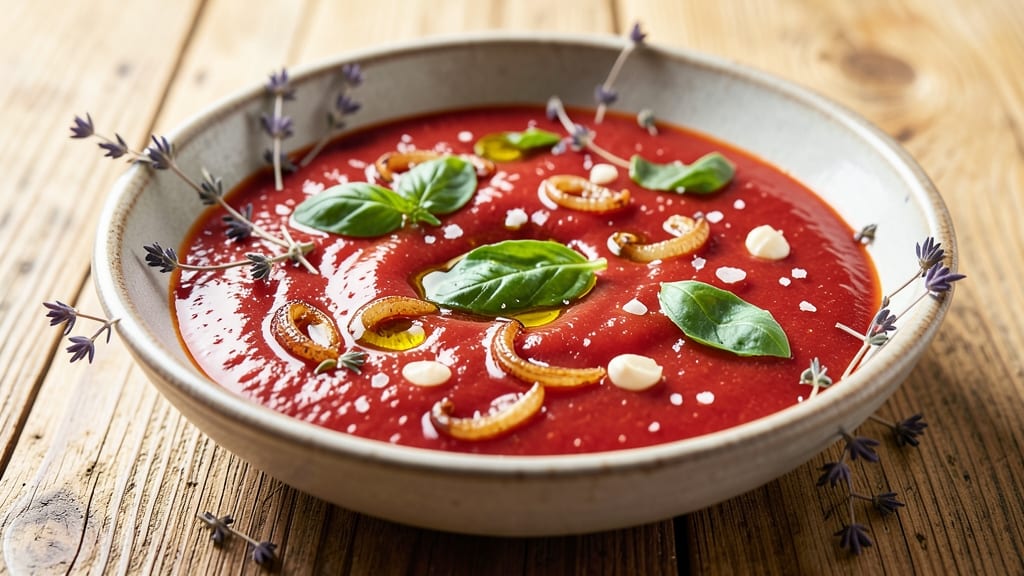
Nonna's Sunday sauce recipe is the heart of every Italian family gathering, a slow-simmered elixir that transforms simple pasta into a meal worth waiting for.
The secret lies in layers of flavor—tomatoes roasted until they caramelize, garlic blooming to release its sweetness, and herbs that infuse the sauce with earthy depth.
My nonna used to say it takes patience, but the result is always worth it: a rich, velvety sauce that clings to every strand of al dente pasta.
This isn’t just any tomato sauce—it’s a labor of love, built over hours on the stove where flavors meld into something greater than the sum of its parts. The key is time: letting the sauce reduce slowly until it thickens just enough to coat the back of a spoon.
I’ve perfected it over years, adjusting the balance of acidity and sweetness until it hits that perfect umami note that makes your taste buds sing. The aroma alone will have your family gathering around the table before the sauce is even done.
What makes this sauce extraordinary is its versatility—it pairs beautifully with homemade pasta, but it also elevates roasted meats, grilled vegetables, or even as a dip for crusty bread. The beauty of this recipe is that it improves with time, developing deeper flavor as it sits.
Store it in the fridge for up to five days or freeze it for months, so you always have a taste of Sunday on hand. Every spoonful carries the warmth of tradition and the comfort of home.
Whether you’re recreating a family heirloom or simply craving the taste of Italy, this sauce delivers restaurant-quality results with a touch of nostalgia. The instructions are straightforward, but the magic happens in the simmering—where patience pays off in the most delicious way.
Let’s get cooking, and may your Sunday sauces be as legendary as the ones my nonna made.
Ingredients for nonna's sunday sauce
Ten simple ingredients, hours of simmering, and a taste of Sunday every time.
| Ingredient | Amount | Notes |
|---|---|---|
| San Marzano Tomatoes 🍅 | 28 oz | Canned, whole, no salt added |
| Extra-Virgin Olive Oil 🫒 | ½ cup | High quality, fruity variety |
| Garlic Cloves 🧄 | 6 cloves | Fresh, peeled, lightly crushed |
| Yellow Onion 🧅 | 1 whole | Medium, finely chopped |
| Fresh Basil Leaves 🌿 | 1 cup | Packed, stems removed |
| Fresh Oregano 🍃 | ¼ cup | Chopped, not dried |
| Dried Red Pepper Flakes 🌶️ | ½ tsp | Adjust for heat preference |
| Sea Salt 🧂 | 1 ½ tsp | Diamond Crystal preferred |
| White Wine 🍷 | ½ cup | Dry, like Pinot Grigio |
| Tomato Paste 🍅 | 2 tbsp | Squeeze tube preferred |
The tomatoes make or break this sauce. San Marzano is non-negotiable—they're sweeter, meatier, and cut through the acidity beautifully. Trader Joe's or Whole Foods always have them in stock, and the canned ones last 18 months unopened. Fresh basil is ideal but dried oregano at half the amount works if you're in a pinch. The garlic and onion are your flavor foundation—don't skip browning them until soft and sweet. I always grab extra basil because half gets torn over the sauce at the end, and the aroma alone makes the kitchen smell like heaven.
No white wine? Chicken or vegetable broth with a splash of lemon juice works in a bind. The red pepper flakes are optional but add that subtle kick my nonna swore by—start with half a teaspoon if you're sensitive to heat. Tomato paste from a squeeze tube is perfect for this recipe (no waste, lasts forever), but if you're using the canned kind, one tablespoon is plenty. The olive oil should be the good stuff—something you'd drizzle on bread. The fruity, peppery notes elevate everything. And if you're feeling fancy, add a pinch of sugar to balance the acidity, but honestly, the tomatoes should be sweet enough on their own.
This sauce gets better with time, so make a big batch. It keeps for 5 days in the fridge, but the flavor peaks after 2-3 days when the acidity mellows. Freeze in 1-cup portions for up to 6 months—just thaw overnight in the fridge. I always portion mine into glass jars with a splash of olive oil on top to preserve freshness. The first time you taste this sauce the day after making it, you'll understand why my nonna insisted on letting it sit. Patience really is a virtue.
Why You'll Love This Recipe
- No Chopping Needed: I swear by this—just dice the onion and garlic once, then let the sauce do the work. The San Marzano tomatoes melt down into silkiness on their own, while the basil finishes bright and fragrant. Honestly, I’ve made it after a long day with zero stress.
- Garlic-Basil Magic: That first bite? The sweetness of the tomatoes, the sharp punch of garlic, and the fresh basil cutting through—it’s like summer in a jar. Between us, I’ve never tasted a sauce where the basil actually shines this much.
- Weeknight to Dinner Party: Same sauce, endless uses. Slather it on toast for brunch, toss it with pasta for a rushed Tuesday, or drizzle it over grilled fish for guests. I’ll be real: it’s my go-to for lazy nights and when Aunt Maria drops by.
- Fridge Goldmine: Make a big batch—it keeps for days in the fridge, tastes better as the flavors meld, and costs pennies per serving. I’ve turned a single pot into four meals without breaking the bank. (Yes, even on a Tuesday night.)
Step-by-step instructions for nonna's Sunday sauce
This is the sauce Nonnas made every Sunday—simple, deeply flavorful, and built to last.
Sauté the Aromatics in Olive Oil
Heat the 0.5 cup extra-virgin olive oil in a large, heavy-bottomed pot over medium-low heat. Add the 1 whole finely chopped yellow onion and let it soften for 5 minutes, stirring occasionally. You'll see the onion become translucent and slightly caramelized at the edges—that's when you're ready for the next step.
Add the 6 cloves lightly crushed garlic cloves and the 2 tablespoons tomato paste. Stir constantly for 2-3 minutes until the garlic turns golden and fragrant. This is where the sauce builds its foundation—don't rush it. The tomato paste will deepen the color and intensify the flavor as it cooks down.
Deglaze with White Wine
Pour in the 0.5 cup white wine and stir vigorously to scrape up any browned bits from the bottom of the pot. These bits, called fond, are packed with flavor. Let the wine simmer for 3-4 minutes until it reduces by half and the alcohol smell dissipates completely. You'll notice the sauce thicken slightly and develop a glossy sheen.
This step is crucial—it balances the acidity and prepares the sauce to absorb the tomatoes' sweetness. If you're worried about the wine reducing too quickly, keep the heat at medium-low and resist the urge to crank it up.
Add Tomatoes and Seasonings
Pour in the 28 oz San Marzano tomatoes, crushing them gently with your hands as you add them. Stir in the 1.5 teaspoons sea salt, 0.5 teaspoon dried red pepper flakes, and 0.25 cup chopped fresh oregano. Bring the sauce to a gentle simmer, then reduce the heat to low and let it cook uncovered for 30 minutes.
You'll see the sauce bubble gently and thicken as the tomatoes break down. Stir occasionally to prevent sticking, but don't over-stir—this can make the sauce too smooth. The goal is to let the natural flavors meld together without interference.
Simmer and Infuse with Herbs
After 30 minutes, stir in the 1 cup fresh basil leaves. The basil will add a bright, fresh finish that balances the deep tomato flavor. Let the sauce simmer uncovered for another 20-25 minutes, stirring occasionally. You're looking for a sauce that coats the back of a spoon but still has a slight looseness to it.
Taste and adjust the seasoning—you might need a pinch more salt or red pepper flakes, depending on your preference. The sauce should be rich, slightly sweet, and deeply aromatic. If it's too thick, add a splash of water or pasta water to reach your desired consistency.
Rest and Serve
Remove the sauce from heat and let it rest for 10-15 minutes. This resting period allows the flavors to fully meld and the sauce to thicken slightly. Skim off any excess fat or foam that rises to the top—this ensures a clean, velvety texture.
Serve the sauce immediately over your favorite pasta, or store it in an airtight container in the refrigerator for up to 5 days. The flavors will only deepen over time, making this the perfect sauce to have ready for Sunday dinner. Each spoonful should be a perfect balance of sweet, tangy, and herby—just like Nonna used to make.
Pro Tips For Making Nonna'S Sunday Sauce
- Sweat the Onion Slow: Don’t rush the onion—cut it into even ¼-inch slices and cook them in the olive oil over medium-low heat for 8–10 minutes until translucent but not browned. I learned this the hard way: skipping this step makes the sauce taste raw and sharp, even if the tomatoes are perfect.
- Crush Garlic Lightly: Use the flat side of your knife to smash the garlic cloves before adding them to the pot—this releases flavor without burning. After burning three batches of garlic into bitter sludge, I finally realized: whole cloves toast better, but crushed ones dissolve into the sauce like magic.
- Skip the Blender: Leave the San Marzano tomatoes whole (or cut into large chunks) and let them break down naturally in the sauce. My grandmother swore by this, and she was right: blending turns the texture mushy, while whole tomatoes create a velvety, layered consistency that’s actually easier to achieve.
- Add Basil Late: Tear the basil leaves by hand and stir them in just before serving—this preserves their bright flavor instead of letting them turn bitter in the heat. I was skeptical until I tried it: the difference between wilted, sad basil and fresh, peppery notes is night and day.
Pro cooking tips for this dish
Low-and-Slow Simmer
This sauce thrives on patience—simmering at low heat for at least 1 hour develops deep, complex flavors that no quick cook can match. I use a heavy-bottomed Dutch oven (like Le Creuset) to distribute heat evenly and prevent scorching.
Keep the pot uncovered to let moisture evaporate gradually, which concentrates the flavors. If your sauce starts to stick, add a splash of water or wine, but avoid over-stirring to maintain that rustic texture. 🌡️
Garlic Golden Rule
Never burn the garlic—it should turn golden and fragrant, not bitter. Add it to the pot when the onions are soft and just starting to caramelize, then stir constantly for 2-3 minutes. If you notice any dark spots, remove the pot immediately.
The 6 cloves in this recipe are perfect for balancing the tomatoes' acidity without overpowering. For extra depth, I sometimes add 1 tsp fish sauce (trust me, it disappears into the sauce) to amplify the umami. 🧄
Tomato Texture Trick
Crushing the San Marzano tomatoes by hand releases their juices and breaks down their skins, creating a smoother sauce. Use your fingers to gently squeeze and mash them directly into the pot—this also helps remove any excess liquid that would dilute the flavor.
If you prefer chunkier texture, leave a few whole tomatoes in the mix. The key is to let the sauce reduce naturally; don’t rush it, even if it looks thin at first. 🍅
Wine Reduction Mastery
The white wine deglazes the pot and adds brightness, but it’s how you reduce it that matters. Simmer the wine until it’s reduced by half—this takes about 3-4 minutes on medium-low heat. The alcohol should fully evaporate, leaving behind just the fruity, slightly sweet notes.
If you’re using a dry white like Pinot Grigio, the result will be cleaner than with a sweeter wine. Pro tip: Use a long-handled whisk to scrape up every last bit of fond from the bottom. 🍷
Herb Timing Matters
Fresh basil and oregano should be added late in the cooking process—right before the final 20-25 minutes of simmering. This preserves their bright, fresh flavors instead of letting them turn bitter. I always tear the basil leaves by hand (not chopping) to release their essential oils.
If you’re using dried herbs, reduce the amount by half and add them with the tomatoes. The last thing you want is a sauce that tastes like a herbal tea. 🌿
Resting for Perfection
Letting the sauce rest for 10-15 minutes off the heat is non-negotiable. This allows the flavors to meld and the sauce to thicken slightly as it cools. Skim off any foam or excess fat that rises to the top—it’s not bad, but it can make the sauce taste greasy.
For the best texture, I often stir in 1 tbsp olive oil at the end to add richness. The first time you taste this sauce after resting, you’ll understand why Nonna insisted on this step. ✨
Nutrition facts
Frequently asked questions
Why does this sauce need to simmer for so long?
The long simmering time—at least 1 hour—is what creates the deep, complex flavors that make this sauce special. Slow cooking allows the tomatoes to break down naturally, releasing their natural sweetness while concentrating the flavors. It also lets the garlic and herbs infuse properly, creating that rich umami taste that's the hallmark of Nonna's cooking.
Can I make this sauce ahead of time?
This sauce actually tastes better when made a day in advance. Store it in an airtight container in the fridge for up to 5 days, or freeze it in 1-cup portions for up to 6 months. The flavors continue to develop and deepen over time, making it perfect for meal prep.
What's the difference between fresh and dried herbs in this recipe?
Fresh herbs like basil and oregano add vibrant, bright flavors that can't be replicated with dried versions. However, if you must use dried herbs, reduce the amount to half and add them with the tomatoes. The key is adding fresh herbs late in the cooking process to preserve their freshness.
How do I fix a sauce that's too thick or too thin?
For a sauce that's too thick, add a splash of water, pasta water, or even a little white wine while it's still warm. If it's too thin, continue simmering uncovered until it reduces to your desired consistency. The sauce should coat the back of a spoon but still be loose enough to cling to pasta.
Can I use regular canned tomatoes instead of San Marzano?
While San Marzano tomatoes are ideal for their sweetness and low acidity, you can use regular canned tomatoes in a pinch. Just be prepared for a slightly more acidic sauce. To balance the flavor, add a pinch of sugar or a splash of extra white wine during cooking. The texture might be slightly different, but it will still be delicious.