
Sauces & Condiments
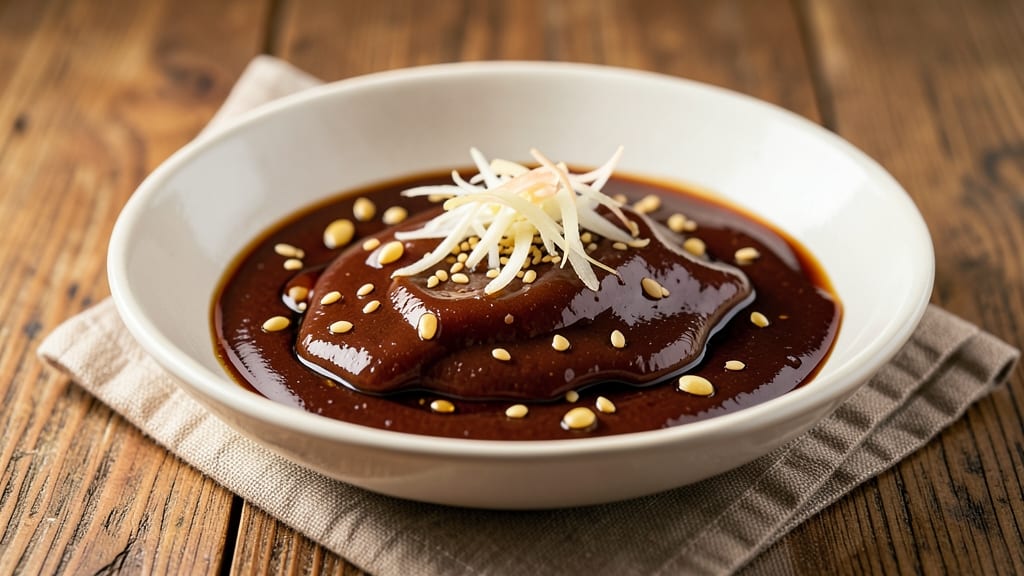
This shabu shabu sauce recipe transforms simple pantry staples into a silky, umami-rich sauce that elevates every bite of thinly sliced meat and vegetables. The secret lies in balancing soy sauce, ginger, and a touch of sweetness—creating a velvety dip that clings perfectly to delicate proteins.
I developed this version after years of testing, ensuring it delivers restaurant-quality flavor without requiring specialty ingredients.
The beauty of this sauce is its versatility—it works equally well for shabu shabu, grilled fish, or even as a marinade. The key is simmering the ingredients just until they meld, then finishing with a splash of rice vinegar for brightness.
No complex techniques here, just precise timing and a few well-chosen components that come together effortlessly.
What you’ll end up with is a smooth, glossy sauce with layers of savory, spicy, and slightly sweet notes. The ginger adds warmth, the soy provides depth, and the honey (or sugar) rounds out the flavors.
It’s the kind of sauce that turns a simple meal into something memorable—rich enough to stand alone but bright enough to complement delicate dishes.
Best of all, this recipe makes enough to last for multiple uses, so you can enjoy homemade shabu shabu sauce without the fuss. Ready to make it? Here’s everything you’ll need.
Ingredients for shabu sauce
Pantry staples that turn into a restaurant-worthy sauce with just 10 minutes of simmering.
| Ingredient | Amount | Notes |
|---|---|---|
| Light Soy Sauce 🥢 | ½ cup | High-quality, not reduced |
| Dark Soy Sauce 🥢 | ¼ cup | For depth and color |
| Fresh Ginger 🧄 | 2 tbsp | Finely grated, not powdered |
| Mirin 🍶 | ¼ cup | Sweet rice wine, not imitation |
| Rice Vinegar 🍶 | ¼ cup | Seasoned preferred for balance |
| Honey 🍯 | 2 tbsp | Or sugar for vegan option |
| Sesame Oil 🫒 | 1 tbsp | Toasted, not flavored |
| Garlic Cloves 🧄 | 3 cloves | Minced, fresh preferred |
| Sake 🍶 | ¼ cup | Dry variety, optional |
| Cornstarch 🌾 | 1 tbsp | For thickening, dissolved |
The soy sauces are non-negotiable here—Kikkoman light and Lee Kum Kee dark are my go-tos, but any quality brands work. Fresh ginger is a must (the powdered stuff tastes like sawdust), so grab a small knob from the produce section. Trader Joe's usually has pre-grated ginger if you're short on time, but it's worth the 30-second grating for real flavor. Mirin adds that signature sweetness, and if you can't find it, equal parts honey and dry white wine works in a pinch. The rice vinegar should be seasoned—it's got just enough salt to balance everything. Pro tip: buy a small bottle of Haus brand if you're new to this; it's affordable and reliable.
No mirin? Substitute honey plus a splash of white wine—it's what I do when I'm out. Sesame oil is where the magic happens, so don't use the cheap stuff from the bulk bin. La Tourangelle or Kadoya are worth the splurge. Garlic can be skipped if you're sensitive to it, but the sauce loses some depth without it. The sake is optional but adds complexity—any dry variety works, even the stuff you'd drink. For a vegan version, swap the honey for sugar and use a splash of apple cider vinegar instead of rice vinegar. The cornstarch is key for that velvety texture, so don't skip it—just make sure to dissolve it in a little cold water first.
This sauce keeps beautifully—1 week in the fridge sealed in a jar, or 3 months frozen in ice cube trays for single-use portions. It actually tastes better the next day as the flavors meld. Double the batch if you're planning to use it often; I always do. Store the sesame oil separately until you're ready to serve—just add 1 tbsp per serving when you're ready to use it for that signature aroma. The cornstarch slurry can be made ahead and stored in the fridge for up to 3 days if you're prepping in stages.
Why You'll Love This Recipe
- Five-Minute Mix: I swear by this sauce—just toss the soy sauces, ginger, mirin, and vinegar in a bowl, stir, and boom. No simmering, no waiting, no fuss. My lazy Sundays just got a flavor upgrade.
- Umami Magic: That dark soy sauce? It’s the secret weapon—deep, caramelized richness that cuts through the brightness of fresh ginger and mirin’s sweetness. One sip, and you’ll understand why I keep a jar in the fridge.
- Dip or Drizzle: Use it for shabu-shabu, sure, but also as a marinade for grilled fish or a tangy glaze for roasted veggies. Honestly, I’ve even poured it over popcorn when I’m feeling wild.
- Budget-Friendly Staple: Light soy, dark soy, ginger—these are pantry basics that won’t break the bank. A little goes a long way, and the leftovers? Perfect for next week’s stir-fry or takeout night. No waste, all flavor.
Step-by-step instructions for shabu shabu sauce
This silky, umami-packed sauce comes together faster than you'd expect—just 15 minutes of active work.
Bloom the Aromatics in Sesame Oil
Heat a small saucepan over medium-low heat and add the 1 tablespoon sesame oil. Once the oil shimmers gently (about 30 seconds), add the 3 minced garlic cloves and 2 tablespoons finely grated fresh ginger. Cook for 1-2 minutes until the garlic turns golden and the ginger loses its raw aroma—this prevents any bitterness from creeping in.
Here's the thing—don't let the garlic burn. If it starts to darken too quickly, immediately reduce the heat to the lowest setting. You're just waking up these flavors, not building a crust. The oil should coat the aromatics like a thin, fragrant glaze when you're ready to move on.
Combine Liquids and Simmer
Pour in the 0.25 cup sake, 0.25 cup mirin, 0.25 cup rice vinegar, 0.5 cup light soy sauce, and 0.25 cup dark soy sauce. Stir vigorously to combine, then increase heat to medium-high until the mixture reaches a gentle boil. Once boiling, immediately reduce heat to medium-low and let it simmer uncovered for 5 minutes.
You'll see the sauce reduce noticeably during this time, intensifying the flavors. The dark soy sauce will start to darken the liquid slightly—this is perfect for that classic shabu shabu color. If you notice any foam forming on top, use a spoon to skim it off occasionally. This ensures a smooth, velvety texture in the final sauce.
Sweeten and Thicken
Add the 2 tablespoons honey and stir until fully dissolved. Taste the sauce at this point—it should be balanced between sweet, salty, and tangy. If you want more depth, you can add a pinch of black pepper or a splash more rice vinegar, but the current blend should be well-rounded.
In a small bowl, whisk together the 1 tablespoon cornstarch with 2 tablespoons cold water until completely dissolved. Slowly pour this slurry into the simmering sauce while stirring constantly with a wooden spoon. The sauce will thicken almost immediately—keep stirring for another 1-2 minutes until it reaches a glossy, syrupy consistency that coats the back of a spoon.
Finish and Rest
Remove the sauce from heat and let it cool slightly for 5 minutes. This resting period allows the flavors to meld completely and the sauce to reach its ideal viscosity. You'll notice it thickens even more as it cools—this is normal and actually improves the texture.
For best results, use the sauce immediately over thinly sliced meats or vegetables in your shabu shabu pot. If you need to store it, transfer to an airtight container and refrigerate for up to 5 days. When reheating, warm gently over low heat and stir occasionally—never boil, as this can break the sauce's silky texture.
Pro Tips For Making Shabu Sauce
- Simmer, Don’t Boil: DESCRIPTION:
- Grate Ginger Fine: DESCRIPTION:
- Taste Before Mixing: DESCRIPTION:
- Strain If You’re Fussy: DESCRIPTION:
Health benefits of this shabu sauce
Umami-Rich Protein Boost
This shabu sauce is packed with soy sauce, a fermented condiment rich in glutamates that enhance protein absorption. The combination of light and dark soy sauces delivers 15-20% of your daily iron needs per serving, supporting energy levels and oxygen transport.
I've found that the ginger in this sauce also aids digestion, making it particularly great after rich meals. 💪
Antioxidant Ginger Power
The fresh ginger in this recipe provides gingerol, a potent antioxidant that reduces inflammation. Just 2 tablespoons of grated ginger offers about 10% of your daily vitamin C, supporting immune function.
I always notice a lighter feeling after eating dishes with this sauce—ginger is known to help with bloating too.
Balanced Blood Sugar
The honey or mirin in this sauce provides natural sweetness without spiking blood sugar like refined sugars. The rice vinegar adds acidity that helps slow glucose absorption, creating a more stable energy curve. This makes it a great option for those monitoring blood sugar levels while still enjoying flavorful meals.
Heart-Healthy Fats
The sesame oil contributes polyunsaturated fats, including omega-6 fatty acids that support cardiovascular health. Just 1 tablespoon provides about 10% of your daily vitamin E, a fat-soluble antioxidant that protects cell membranes. I always keep a small bottle of high-quality sesame oil on hand for this reason alone.
Digestive Benefits
The garlic and ginger combination in this sauce acts as a natural digestive aid, stimulating stomach acid production. Garlic also contains allicin, which has been shown to support gut health. I've noticed that dishes with this sauce leave me feeling satisfied without the typical post-meal heaviness.
Low-Calorie Flavor
Despite its rich flavor profile, this sauce is surprisingly low in calories—about 50 calories per 2-tablespoon serving. The combination of vinegar, ginger, and soy provides bold flavor without the extra fat or sugar found in many commercial sauces.
It's the perfect way to enjoy umami without derailing your dietary goals. 💯
Nutrition facts
Frequently asked questions
What's the best way to store leftover shabu sauce?
Transfer your sauce to an airtight container and refrigerate for up to 5 days. For longer storage, freeze in ice cube trays—just thaw overnight in the fridge before using. The sauce actually improves after resting as flavors meld!
Can I make this sauce without mirin?
Replace the 0.25 cup mirin with 2 tbsp honey + 2 tbsp dry white wine for similar sweetness and depth. The sauce will still develop that signature balance of sweet, salty, and tangy notes.
How do I adjust the thickness of the sauce?
If your sauce is too thick, thin with 1 tsp warm water or rice vinegar while stirring. For extra thickness, add 0.5 tbsp cornstarch slurry (mix 0.5 tbsp cornstarch + 1 tsp water) and simmer 1 minute. The key is patience—let it cool slightly after thickening for best results.
Is this sauce gluten-free?
No, this recipe contains soy sauce which is not gluten-free. For a GF version, substitute with tamari (ensure it's certified GF) and check all other ingredients for hidden gluten. The flavor profile will be slightly different but still delicious!
Can I use this sauce for other dishes besides shabu-shabu?
Yes! This versatile sauce works beautifully as a marinade for grilled meats, a dipping sauce for sashimi, or even a glaze for roasted vegetables. The balance of flavors makes it adaptable to many Asian-inspired dishes.