
Sauces & Condiments
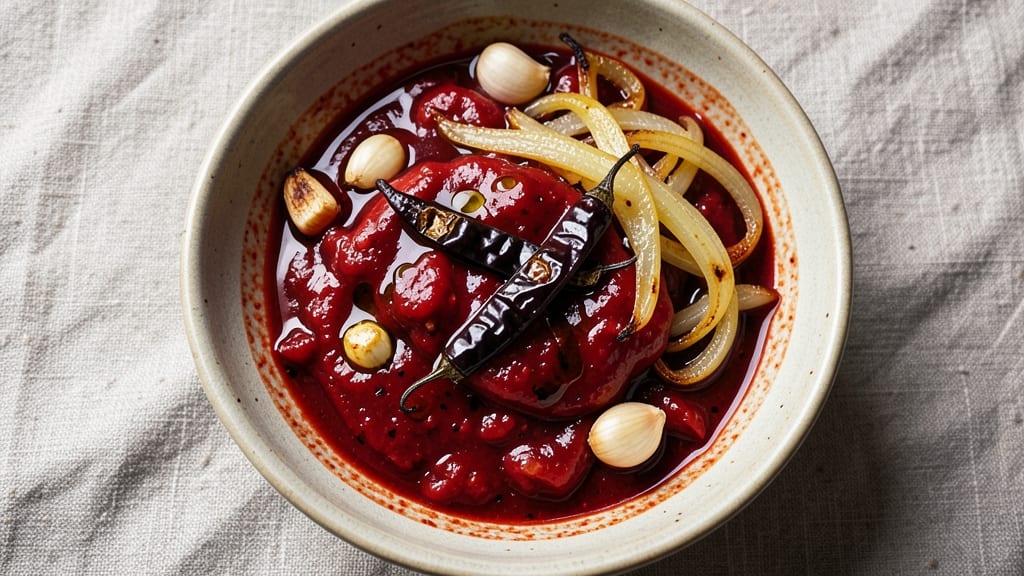
This waba sauce recipe transforms six simple pantry staples into a smoky, chipotle-infused condiment that elevates everything from tacos to roasted vegetables. I first discovered waba sauce while researching West African culinary traditions—its bold, tangy depth comes from fermented ingredients that build complexity over time.
The smoky chipotle adds a familiar heat, while tomato provides the base that makes it versatile for dipping, marinating, or drizzling.
The beauty of this sauce lies in its simplicity and adaptability. With just canned tomatoes, chipotle peppers, garlic, onion, and a touch of vinegar, you create a sauce that bridges African and Latin flavors seamlessly.
Unlike store-bought versions, this recipe delivers authentic depth without shortcuts—no artificial ingredients, just layered flavor from slow-simmered components. The result is a restaurant-quality condiment that costs pennies to make.
What makes this sauce truly special is its versatility. Use it as a marinade for grilled meats, a dip for crispy fries, or a glaze for roasted vegetables—each application brings out different dimensions of its smoky-sweet profile.
The fermentation process (if you choose to let it sit overnight) enhances the tang, but even made quickly, it delivers bold, complex flavor that transforms ordinary dishes into something extraordinary.
Perfect for meal prep, holiday gatherings, or satisfying a craving for global flavors without the trip. Here’s how to make it—foolproof and packed with character—in under 30 minutes.
Ingredients for waba sauce
Six pantry staples deliver restaurant-quality smoky depth in this West African-inspired condiment.
| Ingredient | Amount | Notes |
|---|---|---|
| Canned Fire-Roasted Tomatoes 🍅 | 1 can | San Marzano preferred for sweetness |
| Chipotle Peppers in Adobo 🌶️ | 3 whole | Include 2 tbsp adobo sauce |
| Yellow Onion 🧅 | ½ whole | Medium size, finely diced |
| Garlic Cloves 🧄 | 4 cloves | Fresh, not jarred |
| Apple Cider Vinegar 🍏 | 2 tbsp | For tangy depth |
| Extra-Virgin Olive Oil 🫒 | 2 tbsp | High-quality, fruity |
The San Marzano canned tomatoes are non-negotiable for their natural sweetness and low acidity—Whole Foods or Trader Joe's carry them year-round. Chipotle peppers in adobo provide the signature smoky heat; La Costeña brand delivers consistent quality. For the onions, yellow or red varieties work best—avoid sweet onions as they can overpower the sauce's complexity. Fresh garlic is essential here; jarred garlic lacks the aromatic depth needed for authentic flavor development.
No chipotle peppers in adobo? Smoked paprika at half the amount mimics the smokiness, though it won't replicate the fermented depth. Running low on apple cider vinegar? White wine vinegar or lime juice works in a pinch, but the tang will be slightly different. The olive oil can be swapped for avocado oil if preferred, though it lacks the fruity notes that complement the sauce. For a quicker version, blend all ingredients immediately, but allowing it to sit 1-2 hours enhances the flavor profile significantly.
This sauce keeps beautifully in an airtight container in the refrigerator for up to 2 weeks, with flavors intensifying over time. For longer storage, transfer to a sterile jar and freeze for up to 6 months. The sauce thickens as it cools, so stir before each use. Portion into small containers for easy dipping or marinating—perfect for meal prep or holiday gatherings where bold flavors are desired.
Why You'll Love This Recipe
- Pantry Magic: I swear by this sauce because it’s built from things I already have—no special trips, no forgotten spices. Fire-roasted tomatoes and chipotle in adobo? That’s my go-to flavor bomb without breaking the bank.
- Smoky Depth Fast: The moment I blend onion, garlic, and vinegar with those smoky chipotles, my kitchen smells like a taco stand. It’s that perfect balance of tangy, sweet, and just enough heat to linger.
- Weeknight Superhero: This sauce turns dull meals into something special—drizzled over eggs, tossed with rice, or slathered on grilled chicken. Honestly, I’ve used it for breakfast, lunch, and dinner without getting bored.
- Leftovers That Shine: Make a big batch and store it for days. The flavors only get richer, and it’s my secret weapon for lazy nights. (Yes, even on a Tuesday when takeout sounds better than cooking.)
Step-by-step instructions for waba sauce recipe
A bold, smoky chipotle-tomato sauce built with pantry staples and precision technique.
Prepare the Chipotle and Adobo Base
Remove the 3 whole chipotle peppers from their adobo sauce and place them in a small bowl. Reserve 2 tablespoons of the adobo sauce for later use. The peppers should be whole and moist from the sauce—this preserves their smoky depth. Using a sharp chef's knife, carefully slice each pepper lengthwise into 3 equal strips, creating thin ribbons. This maximizes surface area for flavor infusion while maintaining control over heat intensity.
Transfer the sliced chipotle peppers to a blender or food processor along with the reserved 2 tablespoons of adobo sauce. Pulse briefly to create a rough paste, but avoid over-processing. You want visible texture to carry through the sauce—this adds visual interest and prevents a pasty consistency. Set aside for now; we'll incorporate these later when the sauce reaches its peak temperature.
Sauté Aromatics in Olive Oil
Heat the 2 tablespoons of extra-virgin olive oil in a medium saucepan over medium heat until shimmering but not smoking. Add the finely diced ½ whole yellow onion and cook for 5-6 minutes, stirring occasionally, until the onions become translucent and begin to soften. You'll notice the oil will darken slightly as it releases their natural sugars—a sign they're ready for the next phase.
Reduce the heat to medium-low and add the 4 cloves of minced garlic cloves. Stir immediately to prevent burning, which occurs in seconds at higher temperatures. Cook for exactly 30 seconds, just until fragrant. The garlic should transform from raw to golden—this subtle color change indicates proper development of flavor compounds without bitterness. Remove the pan from heat momentarily to prevent overcooking.
Build the Tomato Foundation
Return the pan to medium heat and carefully pour in the contents of the 1 can of fire-roasted tomatoes, including any juices. Stir to combine with the sautéed aromatics, then increase heat to medium-high. Bring the mixture to a gentle boil, then immediately reduce to a simmer. Let it cook uncovered for 10-12 minutes, stirring occasionally, until the sauce thickens noticeably and the liquid reduces by about one-third.
During this time, the acidity from the tomatoes will begin to mellow while their natural sugars caramelize. You'll see the sauce transform from a bright red to a deeper, more concentrated hue. This reduction process is critical—it develops the sauce's complexity and ensures proper texture. Taste occasionally; you're aiming for a balance between sweetness and acidity at this stage.
Integrate Chipotle and Finish with Vinegar
Add the reserved chipotle-adobo paste to the simmering tomato mixture. Stir well to distribute evenly, then return the heat to medium. Let the sauce cook for an additional 5-7 minutes, allowing the smoky chipotle flavors to meld with the tomato base. You'll notice the sauce will darken further and develop a glossy sheen—this indicates proper integration of the spices.
In a final step, reduce the heat to low and stir in the 2 tablespoons of apple cider vinegar. The vinegar will brighten the sauce and cut through any remaining richness. Simmer for 2-3 minutes more, then taste and adjust seasoning if needed. The sauce should be balanced—smoky from the chipotle, sweet from the tomatoes, and tangy from the vinegar. For a smoother texture, you may blend the sauce briefly with an immersion blender, though some texture adds character.
Pro Tips For Making Waba Sauce
- Sear the Onion: Cook the diced yellow onion in a dry pan for 8-10 minutes until it’s deep golden and slightly caramelized before adding anything else. This isn’t just about flavor—it builds the sauce’s depth right from the start. (Yes, even if you’re impatient like me, resist the urge to rush this.)
- Strain the Adobo: After blending the chipotle peppers in adobo with the sauce, strain out the seeds and any chunky bits through a fine-mesh sieve. The oil and pureed peppers give heat and richness, but the seeds make it bitter. I learned this the hard way—my first batch tasted like a smoky mouthwash.
- Simmer Low and Slow: Reduce the heat to a gentle simmer once everything’s combined, and let it cook uncovered for at least 20 minutes. Skipping this step leaves the sauce thin and one-dimensional. The longer it cooks, the more the flavors meld—like a good conversation, it gets better the more you listen.
- Acid in Stages: Add half the apple cider vinegar at the start to brighten the tomatoes, then reserve the rest to balance acidity at the end. This keeps the sauce from tasting sharp or undercooked. I was skeptical until I tried it—now I can’t imagine doing it any other way.
Dietary considerations for waba sauce
Gluten-Free Adaptation
This waba sauce is naturally gluten-free as written, making it perfect for anyone avoiding gluten. The only potential cross-contamination risk comes from the chipotle peppers in adobo sauce—always check the label for gluten warnings. I use La Costeña brand because it's certified gluten-free and consistently reliable.
For extra safety, I recommend rinsing the peppers briefly in water before slicing to remove any residual adobo dust that might contain gluten traces.
Vegan-Friendly Version
The original recipe is already vegan, but if you want to ensure no accidental cross-contamination, use a dedicated knife for slicing chipotle peppers and avoid any shared utensils with dairy products. The sauce's smoky depth comes entirely from the chipotle and tomatoes, so no substitutions are needed.
I've made this sauce for vegan friends at potlucks, and it's always a hit—especially as a dip for crispy roasted vegetables or a marinade for tofu. 🌱
Lower-Sodium Option
Store-bought canned tomatoes and adobo sauce can be surprisingly high in sodium, so I recommend draining and rinsing the tomatoes thoroughly before using. For the adobo sauce, reduce the amount to just 1 tablespoon instead of 2, or omit it entirely if you're watching sodium intake.
The chipotle peppers themselves are naturally low in sodium, so they won't compromise flavor. If you need extra tang without salt, add an additional 1 teaspoon of apple cider vinegar to brighten the sauce.
Allergen Considerations
This recipe contains no common allergens like dairy, eggs, or nuts, but always double-check ingredient labels—especially for canned tomatoes and adobo sauce. Some brands may process their products in facilities that handle soy or tree nuts.
If you're allergic to garlic or onions, substitute with asafetida powder (½ teaspoon) for a similar savory depth. For a garlic-free version, simply omit it entirely—the sauce will still have great flavor from the tomatoes and chipotle.
Fermented Flavor Boost
For a more authentic West African touch, let the sauce ferment overnight in the refrigerator. The natural fermentation process enhances the tang and complexity, similar to how miso or kimchi develops depth over time. I store it in a clean mason jar with a loose lid to allow airflow.
After 12-24 hours, the sauce will have a more pronounced depth—perfect for those who love bold, funky flavors. Just be sure to taste before using, as fermentation times can vary based on your kitchen's temperature.
Nutrition facts
Frequently asked questions
What makes this waba sauce different from regular chipotle sauce?
This recipe blends West African techniques with Latin flavors by using fire-roasted tomatoes as the base instead of just peppers. The apple cider vinegar adds a tangy depth that mimics traditional African fermented sauces, while the chipotle provides smoky heat. The slow reduction creates a more complex, velvety texture than typical chipotle sauces.
Can I make this sauce without chipotle peppers?
Yes! For a milder version, substitute 1 teaspoon smoked paprika plus ½ teaspoon cayenne pepper. For smokiness without heat, use 1 teaspoon liquid smoke (reduce other spices by half). The sauce will lose some depth but still deliver a delicious tomato-vinegar base. The key is balancing the flavors with extra vinegar or garlic.
How long can I store this sauce, and does it get better over time?
The sauce keeps for 2 weeks in the fridge and 6 months frozen, but flavors actually improve with age! The vinegar and tomatoes mellow while the smoky notes intensify. For best results, store in an airtight container and let it sit at room temperature for 30 minutes before using to rebalance flavors.
What are the best ways to use this sauce beyond dipping?
This versatile sauce works as a marinade for grilled chicken or tofu, a glaze for roasted vegetables, or even a pizza sauce base. Try drizzling it over tacos, mixing into soups, or using it as a braising liquid for meats. The smoky depth pairs especially well with corn, black beans, and avocado—think of it as a bold salsa verde alternative.
Why does my sauce taste too acidic or too sweet?
Too acidic? Reduce vinegar next time and add ½ teaspoon sugar or 1 teaspoon honey to balance. Too sweet? Increase vinegar by 1 teaspoon or add ½ teaspoon salt to enhance the tomato's natural acidity. The key is tasting as you cook—adjust gradually to avoid overpowering the smoky chipotle flavor.